 By Emily Parker
Updated November 2026
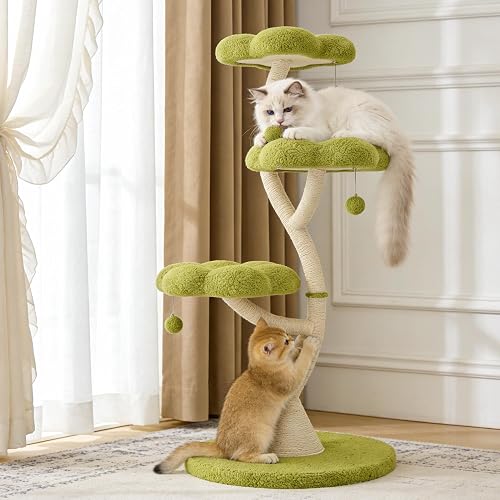
A good cat tree for older cats has low, easy steps, stable platforms and soft resting spots that a stiff or arthritic cat can reach without strain. In this guide you will learn how to judge a tree’s height, step spacing and surface grip so your senior cat keeps its access to high perches. Most of the work is in matching the tree to your cat’s current abilities, not its age alone. Worth reading next: Modern Cat Tree IKEA: How to Choose and Style One for Your Cat.
Assess Your Cat’s Current Mobility
Start by watching how your cat moves now. Note whether it hesitates before jumping, misses landings, or avoids stairs. Many owners find that a cat that once leapt onto a kitchen counter now takes three or four smaller steps to get there. That change tells you how much height and jump distance the tree should allow. Your veterinarian can help you judge arthritis, vision or weight issues that affect climbing, and it is worth asking before you buy.
Shopping for one? See our guide: 6 Best Cat Trees for Bigger Cats (2026).
Choose the Right Height and Step Spacing
For cats with reduced mobility, prioritize a tree where the first perch is no more than about 12 to 15 inches off the floor, with each step roughly 8 to 10 inches apart. Lower platforms reduce the force needed on each jump, and shorter gaps mean fewer hard landings. Choose a broad top platform, at least 16 inches across, so a cat can turn around without slipping off the edge. Avoid trees with many narrow shelves stacked high, since these favor agile young cats. If you want more background, see Tree Branch Cat Tree: How to Build or Choose One That Your Cat Will Use.
Check Stability Before You Buy
Older cats often put more weight on each step, and a wobbly tree can startle them into a fall. Look for a wide, heavy base and posts secured to the base with screws or bolts. Give the tree a firm shake before your cat uses it. If you are considering a floor-to-ceiling model, read the section on tension rods carefully and install it exactly as the maker describes.
Add Comfort Features That Help Senior Cats
Once the climbing path works, focus on comfort. Soft, washable pads on the platforms protect aging joints and provide warmth. Enclosed condos or cubbies give shelter from drafts and a quiet place to nap, which many older cats prefer. Place a few resting spots at different heights so your cat can choose its own level without a long jump. If your cat has trouble with scratching posts, a low, flat scratching surface on a lower tier may suit it better.
- Lowest perch within easy reach of a short hop
- Non-slip surface on every platform and step
- Soft, washable bedding that does not bunch under the cat
- A heavy base and secured posts
- A clear, short path from the floor to the top
Place the Tree Where Your Cat Can Reach It Safely
Position the tree near the spots your cat already uses, such as a sunny window or a favorite chair, so it does not have to cross the room to reach it. Keep clear space around the base so your cat can land without hitting furniture. Floors should be even and not slippery. For more on location, see Where to Put a Cat Tree for Safety and Activity.
Common Mistakes to Avoid
- Buying a tall, multi-level tree for a cat that already struggles with stairs.
- Choosing narrow platforms that leave no room to turn or settle.
- Skipping the stability check, then finding the tree tips when the cat jumps.
- Putting the only perch at the top, with no lower resting spots.
- Ignoring signs of pain, such as reluctance to jump, and assuming it is normal aging.
Recommended Gear
A washable, non-slip pad on the top platform makes a sturdy tree more comfortable for stiff joints. View on Amazon
A low pet step or ramp gives a cat a stepping stone to the first perch, which can reduce strain on the hips. View on Amazon
A soft, orthopedic-style cat bed placed on a lower tier offers a warm resting spot close to the floor. View on Amazon
FAQ
What height is best for an older cat’s tree?
Aim for a first perch about 12 to 15 inches off the floor, with the rest of the path using short, low steps. Lower trees are easier on joints and reduce hard landings.
Do older cats need a cat tree at all?
Yes, most senior cats still benefit from a climbing and resting structure, but it should match their ability. A simple, low tree with comfortable resting spots often works better than a tall one.
When should I talk to a vet about my cat’s climbing?
If your cat hesitates to jump, misses landings, or seems stiff after resting, book a checkup. Pain and arthritis are common in older cats and can often be managed. Consult a veterinarian for a proper assessment.
Conclusion
The best cat tree for an older cat is one it can climb, rest on and feel safe using every day. Focus on low steps, a wide stable base and soft platforms, and adjust the setup as your cat’s needs change. Watch how your cat uses the tree over the next few weeks and make small changes if you see hesitation.
Related reading
- Warrior Cat Family Tree: How to Map the Clans and Lineages Step by Step
- How to Get Cat Down From Tree: A Step-by-Step Guide That Works
- How to Clean a Cat Tree: A Step-by-Step Guide for Beginners
- How to Choose a Cat Tree: Height, Stability and Size
- How to Choose Cat Trees, Litter Boxes, Fountains, Feeders, Carriers and Scratching Posts
Ready to choose one?
About Emily Parker
Emily Parker is part of our editorial team and reviews and edits our cats guides, checking product details against manufacturer specifications and owner feedback.