 By Emily Parker
Updated November 2026
A tree house cat cafe is a cafe concept where visitors sit with adoptable or resident cats, often in a space built around climbing structures, perches and cozy hideaways. This guide walks you through the planning decisions that matter most: the space itself, the cats’ welfare, the visitor rules and the day-to-day routine. By the end, you will have a clear outline you can take to a designer, a landlord or a local animal-welfare contact.
Start With the Cats, Not the Decor
Every decision in a tree house cat cafe should begin with the question of whether the cats can cope with the setup. Many cats are comfortable around people but still need places to retreat, so the design must give them real choices. Reputable cat cafes and rescue-linked programs usually limit daily visitor hours and rotate cats so no individual is overstretched.
Shopping for one? See our guide: 6 Best Cat Trees for Bigger Cats (2026).
- Check local regulations on animals in food service areas before anything else.
- Confirm the cats’ health, vaccinations and parasite control with a veterinarian.
- Set a maximum number of cats and visitors relative to floor space.
- Plan quiet rooms that visitors cannot enter.
Design the Space Around Vertical Movement
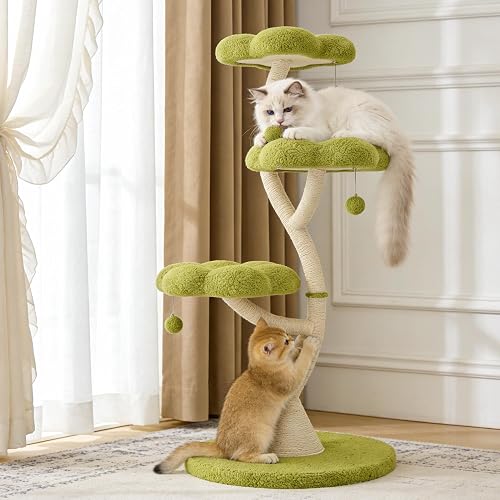
Cats use height to feel safe, so the tree house concept works well when it is built on multiple levels. Aim for platforms at varied heights, with a clear path between them and at least one perch that gives a cat a view of the room without being reachable by a visitor’s hand. Sturdy construction is essential; wobbly platforms cause falls and stress. If you are building the structures yourself, review guidance on stable cat tree design and consider the same principles of anchoring and weight distribution.
Placement matters as much as design. Keep high perches away from heaters and food preparation areas, and make sure windows used for perching are secure. For general placement principles, see Where to Put a Cat Tree for Safety and Activity.
Set Up Hideaways and Litter Zones
Cats need enclosed hiding spots, such as boxes or covered beds, where they can rest without being watched. Place litter boxes in quiet corners away from food and the main seating area, and provide one more box than the number of cats. Clean them at least once a day.
Build Visitor Rules That Protect the Cats
Clear rules keep the cats relaxed and the business running smoothly. Post them where visitors can see them, and enforce them consistently. Common rules include washing hands before and after handling cats, no flash photography, no picking up cats, and letting a cat walk away whenever it chooses. Staff should step in when a cat looks stressed, with flattened ears, a tucked tail or repeated hiding.
Plan the Daily Routine and Cleaning Schedule
A good routine protects both health and hygiene. Schedule feeding, play sessions and rest periods, and keep a log of each cat’s eating, litter use and behavior. Use cat-safe cleaning products, and follow manufacturer directions for dilution and contact time. For cleaning details that apply to any cat furniture, see How to Clean a Cat Tree: A Step-by-Step Guide for Beginners.
Recommended gear
- Enclosed cat condos: Give shy cats a place to retreat from visitors. View on Amazon
- Stable cat trees: Multi-level structures help distribute cats across the room. View on Amazon
- Covered litter boxes: Reduce odor and scatter in shared spaces. View on Amazon
Common mistakes
- Overcrowding the room with cats or visitors, which raises stress for everyone.
- Placing high perches without a safe landing zone or secure anchoring.
- Skipping quiet rooms, so cats have nowhere to go when they need a break.
- Letting visitors handle cats who are showing stress signals.
- Assuming a single litter box is enough for a shared space.
FAQ
Do cats in a tree house cat cafe need health checks?
Yes. Each cat should have a veterinary exam, current vaccinations and parasite control before entering a shared space. Schedule regular follow-up visits and act quickly on any illness. Consult a veterinarian for specific health requirements.
How many cats are appropriate for a small space?
There is no single number, because it depends on the layout, the cats’ temperaments and how many visitors are present at once. Start small, observe closely and add cats only after the current group is settled. Check your local regulations for any legal limits.
Can visitors touch the cats?
Many cafes allow gentle petting only when the cat approaches the visitor first. Staff should set this rule and step in when a cat shows discomfort. Never allow visitors to pick up or carry cats.
Conclusion
A successful tree house cat cafe depends on the cats’ welfare, sturdy vertical design, clear visitor rules and a steady daily routine. Plan each of these before you open, and revisit them as the cats and visitors settle in. Check local regulations and consult a veterinarian and an animal-welfare professional before you begin.
Related reading
Ready to choose one?
About Emily Parker
Emily Parker is part of our editorial team and reviews and edits our cats guides, checking product details against manufacturer specifications and owner feedback.