By Colin Foster
Updated November 2026
Why does my cat walk around meowing? Most of the time, a cat who paces and vocalizes is trying to tell you something: she wants food, attention, a different environment, or she is uncomfortable. This guide will help you narrow down the likely cause, try a few targeted fixes, and recognize when the meowing points to a health problem that needs a vet.
Start by Ruling Out Medical Causes
Constant or unusually loud meowing, especially when it is new, can signal pain or illness. Older cats are more prone to conditions such as hyperthyroidism, high blood pressure, kidney disease, and cognitive dysfunction, all of which can increase vocalizing. Pacing combined with yowling is also a common sign of discomfort or urinary trouble. If the behavior started suddenly, call your veterinarian before trying behavior fixes. For a broader look at changes in vocal patterns, see Why Does My Cat Yowl? Causes, Fixes and When to Call the Vet.
Shopping for one? See our guide: Why Does My Cat Lay in Litter Box? 3 Best Mats to Help (2026).
Identify the Most Likely Trigger
Once health concerns are addressed, observe when the meowing happens. Timing is the biggest clue.
- Before meals or at dawn: Hunger is the usual cause. Cats often learn that vocalizing gets fed.
- When you are home but busy: Your cat wants attention or interaction. Walking around you while meowing is a classic request for play.
- When you leave or close a door: She may be anxious about separation or simply wants access to a room.
- Late at night: Cats are crepuscular, so they are most active at dusk and dawn. Under-stimulation during the day often shows up as nighttime meowing.
- Around other cats or outdoors: She may be reacting to a neighborhood cat she can see or smell, or to territorial tension in the home.
Apply Targeted Fixes
Adjust Feeding Routines
If meowing peaks before meals, do not respond to the demand by feeding right away. Wait until she is quiet for a few seconds, then fill the bowl. Over one to two weeks, she should learn that calm behavior gets results. Scheduled meals, or a timed feeder, can also reduce early-morning yowling. Our guide on Why Does My Cat Yowl at Night? Causes and Fixes That Work covers nighttime routines in more detail.
Add Daily Play and Enrichment
Aim for two or three play sessions of 10 to 15 minutes each, using a wand toy that mimics prey. End each session with a short treat or meal so she feels satisfied. Puzzle feeders, a window perch, and climbing options give her something to do when you are not available. Owners often report that a cat who has been hunting-simulated before bedtime sleeps through the night more consistently.
Check the Litter Box and Environment
A dirty or poorly placed litter box can drive pacing and calling. Scoop daily, keep one box per cat plus one extra, and place boxes away from noisy appliances. Make sure water and resting spots are easy to reach. If she is pacing near the box and straining, contact your vet promptly, since urinary blockage is an emergency.
Recommended gear
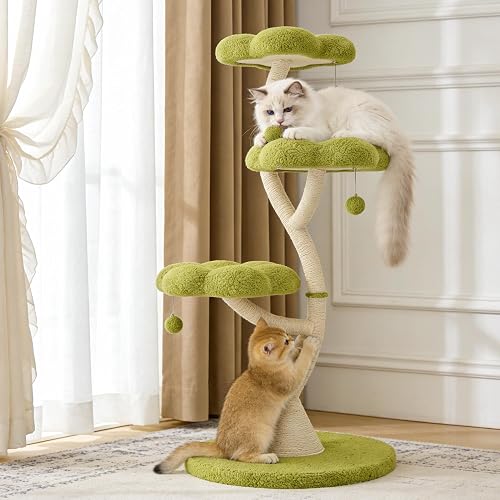
A wand toy makes interactive play easy to schedule, and an automatic feeder helps separate food timing from your waking schedule. A cat tree with a window perch gives her a place to watch the outdoors. Search for these on Amazon:
- Interactive wand cat toy: encourages short, structured hunting play that tires her out. View on Amazon
- Automatic cat feeder: keeps meals on a set schedule so she is less likely to yowl for early food. View on Amazon
- Cat tree with window perch: gives her a vantage point and something to climb. View on Amazon
Common Mistakes
- Giving in to loud demands, which teaches her that meowing works.
- Assuming all meowing is behavioral and skipping a vet visit for sudden changes.
- Punishing her, which tends to increase stress and vocalizing.
- Relying on one fix instead of combining feeding, play, and environment changes.
- Expecting results overnight; most routine changes take one to three weeks to show effect.
FAQ
Is it normal for my cat to meow while walking around?
Some vocalizing is normal, especially around mealtimes or when she wants attention. Sudden increases, distress, or meowing with pacing and straining deserve a vet visit.
Why does my cat meow at me constantly during the day?
She is likely bored or seeking interaction. Two short play sessions plus enrichment often reduce daytime calling noticeably.
Should I respond when my cat keeps meowing?
Respond when she is calm rather than when she is demanding. Rewarding quiet behavior teaches her that meowing does not produce results.
Conclusion
Constant meowing usually has a clear trigger, whether that is hunger, boredom, or a change in her environment. Rule out health problems first, then adjust feeding, play, and the litter setup. If the behavior is new or worsening, consult your veterinarian for a full evaluation.
Related reading
- Why Does My Cat Walk on Me? 5 Reasons and What to Do
- Why Does My Cat Roll Around on the Floor? Causes and What to Do
Ready to choose one?
About Colin Foster
Colin Foster is part of our editorial team and reviews and edits our cats guides, checking product details against manufacturer specifications and owner feedback.