By Colin Foster
Updated November 2026
When a cat starts peeing outside the litter box, the cause is usually either a medical problem or a stress-related behavior, and the two look surprisingly similar from the outside. This guide helps you figure out why your cat urinates everywhere, rule out health issues first, and make practical changes that stop the behavior. Expect a short checklist you can work through this week.
Rule Out Medical Causes First
Any sudden change in urination should be checked by a veterinarian before you assume it is behavioral. Urinary tract infections, bladder stones, crystals, kidney disease, diabetes and arthritis (which makes climbing into a box painful) can all push a cat to urinate in the wrong place. Male cats with a blocked urethra are a true emergency, so if your cat strains with little or no urine, is crying in the box or is licking their genitals constantly, go to a vet or emergency clinic the same day.
Shopping for one? See our guide: Top 7 Picks for Cat Urinate Outside Litter Box Problems in 2026.
Look for Stress and Territorial Triggers
If the vet finds nothing, stress is the next most likely cause. Cats often urinate outside the box when something in their home has changed. Common triggers include a new pet, a new baby, a move, houseguests, construction noise, or another cat blocking access to the box. Some cats also spray vertical surfaces to mark territory, which usually shows up as small amounts on walls, doors or furniture rather than puddles on the floor.
Check Your Litter Box Setup
Many “everywhere” problems are really box problems. Cats are picky, and a box that seems fine to you may be unacceptable to them. Work through this checklist:
- Count your boxes. The general guideline is one box per cat plus one extra, so two cats need three boxes.
- Make sure each box is at least 1.5 times your cat’s body length, with sides low enough to step over easily.
- Scoop at least once a day and change the litter fully on a regular schedule.
- Place boxes in quiet spots away from food and water, and not in a dead-end where a cat feels trapped.
- Try a different unscented litter if you have recently switched. Many cats reject strong fragrances.
- Clean accident spots with an enzymatic cleaner. Ordinary cleaners can leave odors that draw cats back.
Reduce Triggers in the Home
Once the box is right, address stress. Provide vertical space and hiding spots so your cat can avoid conflict, use pheromone diffusers if your cat responds to them, and keep a predictable routine for feeding and play. If the problem began after a change, give your cat a quiet room with a box, bed and water until they settle. For more on stress-related box problems, see Why Cats Stop Using the Litter Box and How to Respond.
Consider Behavior and Scent Marking
If your cat is urinating on vertical surfaces or repeatedly targeting the same spots, it may be marking. Neutering or spaying often reduces this, and cleaning marked areas thoroughly is essential. Blocking access to favorite spots with a barrier or covering them with foil or a textured mat can help while you work on the cause. A certified professional can help if the behavior persists, and you can read more in What Is a Certified Cat Behavior Consultant and Do You Need One?.
Common Mistakes
- Punishing your cat. This increases fear and often makes the problem worse.
- Skipping the vet visit because the behavior seems “just behavioral.”
- Using bleach or ammonia cleaners, which can resemble urine smell and encourage repeat accidents.
- Assuming one box is enough in a multi-cat home.
- Changing litter, box and location all at once, which makes it hard to tell what helped.
Recommended Gear
An enzymatic odor eliminator helps break down urine residue so your cat is not drawn back to the same spot. View on Amazon
A high-sided litter box gives cats who tend to step over the edge more comfortable entry and reduces spill-outs. View on Amazon
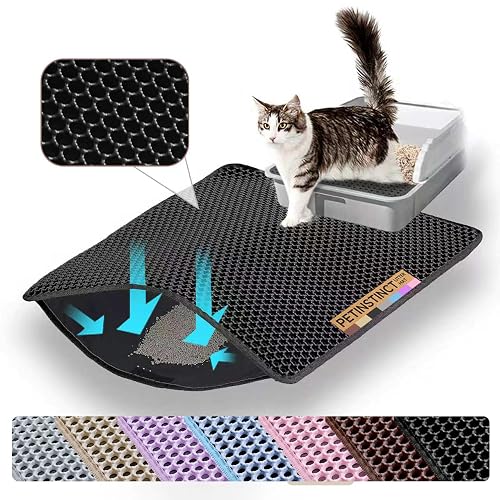
Silicone or plastic mats placed over favorite accident spots can discourage a cat from returning while you retrain the area. View on Amazon
FAQ
Is it normal for a cat to suddenly start urinating everywhere?
No. A sudden change is a reason to see a veterinarian, since infections, bladder stones and other medical conditions are common causes. Behavioral causes are also possible, but they should be considered after health problems are ruled out.
Will my cat stop if I get a new litter box?
Sometimes, but only if the box or litter was the problem. Many cats respond better to a bigger, lower-sided box with unscented litter placed in a quiet location.
Should I punish my cat for peeing outside the box?
No. Punishment increases stress and can worsen the behavior. Focus on finding and fixing the cause, and clean accident spots thoroughly.
Conclusion
When a cat urinates everywhere, start with a vet visit to rule out medical problems, then review your litter box setup and household stressors. Make changes one at a time so you can see what works. If the problem continues after a few weeks of consistent effort, ask your vet about referral to a behavior specialist.
Related reading
- Why Your Cat’s Appetite Has Suddenly Changed
- Why Does My Cat Vomit After Eating? 6 Common Causes and When to Worry
Ready to choose one?
About Colin Foster
Colin Foster is part of our editorial team and reviews and edits our cats guides, checking product details against manufacturer specifications and owner feedback.