As an Amazon Associate I earn from qualifying purchases. This page may contain affiliate links.
Kitten vs cat behavior is really a question about what kind of companion you want living with you day to day. Kittens are fast, curious, and mouthy, and they need a lot of supervision and play. Adult cats are calmer, more predictable, and often easier for first-time owners or busy households. If you want high energy and are ready to train, a kitten is a good fit. If you want a settled pet that fits into an existing routine, an adult cat usually wins.
| Criterion | Kitten (roughly 2 weeks to 1 year) | Adult cat (1 year and older) |
|---|---|---|
| Energy level | Very high, short bursts of activity | Moderate, mostly predictable |
| Sleep pattern | Sleeps 16 to 20 hours a day, with frequent wake-ups | Typically 12 to 16 hours a day |
| Play style | Chasing, pouncing, biting, climbing everything | Selective play, hunting games, lounging |
| Litter habits | Still learning; accidents are common early on | Usually consistent once habits are set |
| Socialization | Very open to new people, pets and sounds during the early window | Established preferences; may take longer to adjust to change |
| Training ease | Learns quickly, but attention span is short | Can learn new routines, but may be set in its ways |
| Stress tolerance | Adapts fast to new homes, though can be overstimulated | Can be sensitive to moves, new pets or schedule changes |
| Behavior predictability | Changes week to week as the kitten grows | Personality is largely settled |
Energy and Activity Levels: Kitten Wins for Active Households
Kittens burn through energy in bursts. A typical kitten may sprint across a room, climb a curtain, then drop into a deep sleep within minutes. This pattern, sometimes called the “zoomies,” is normal. Kittens are practicing hunting skills, and their play is essentially rehearsal for adult life. Owners often report that a kitten needs two or three short play sessions each day, each lasting about 10 to 15 minutes, to stay content.
Adult cats still play, but their activity is more selective. Many adults prefer a daily session with a wand toy, followed by long periods of rest. If you are at home during the day and enjoy an interactive pet, a kitten can be entertaining. If you work long hours and want a pet that naturally spends time alone, an adult cat is often the better match.
Winner for energy and activity: Kitten, if you have time for frequent play. Adult cat, if you want lower daily demands.
Sleep and Daily Rhythm: Adult Cat Wins for Predictability
Kittens sleep a great deal, but their rest is broken up. They may wake at 3 a.m. wanting to play, which can be disruptive if they share a bedroom with you. Adult cats also sleep most of the day, yet they tend to settle into a more regular rhythm, often with a peak of activity around dawn and dusk.
If you are sensitive to noise at night, plan for a kitten’s nocturnal bursts. A tired kitten is easier to manage, so a late evening play session can help. Adult cats usually need less of this management.
Winner for sleep and routine: Adult cat.
Play Behavior and Biting: Adult Cat Wins for Calmer Interaction
Kitten play tends to be rough. Kittens bite and scratch during play because they have not yet learned how hard is too hard. Littermates usually teach this lesson through play, but kittens adopted early may need gentle redirection. Use a wand toy rather than your hands, and stop the game if biting starts. Redirect to a toy instead of pulling your hand away quickly, which can encourage chasing.
Adult cats are usually gentler in play. They still enjoy hunting games, but their play is more controlled. If an adult cat bites or swats suddenly, it is worth checking for pain, overstimulation or redirected aggression. Persistent biting in an adult may be a behavior signal worth discussing with your veterinarian.
Winner for play behavior: Adult cat, especially for households with children or guests who want calm interaction.
Litter Box Habits: Adult Cat Wins for Consistency
Kittens are learning where the litter box is and how to use it. Early accidents are common, especially in the first few weeks after adoption. Place the box in a quiet, easy-to-reach spot, and keep it clean. For guidance on choosing the right material, see Clumping vs. Non-Clumping Cat Litter Explained. Many kittens do well with a shallow box that is easy to step into.
Adult cats usually use the box consistently once habits are established. If an adult suddenly stops, that is a change worth investigating. Stress, pain, a urinary issue or a dirty box can all cause problems. Why Cats Stop Using the Litter Box and How to Respond covers common causes and steps to take.
Winner for litter habits: Adult cat, since its habits are typically set.
Socialization and Learning: Kitten Wins for Flexibility
Kittens are in a sensitive window for socialization, generally cited as roughly 2 to 7 weeks of age, and gentle exposure to people, household sounds and handling during this period shapes lifelong comfort. Kittens adopted after this period can still adjust, but it often takes more patience. A kitten raised with calm, varied experiences is often more relaxed around visitors and vet trips.
Adult cats can learn new things too, but they may take longer to accept big changes. A new baby, a move or a new dog can be stressful. Look for warning signs such as hiding or over-grooming in Common Stress Behaviors in Cats: Hiding, Over-Grooming, Aggression.
Winner for socialization and flexibility: Kitten, if you can provide gentle, consistent exposure early on.
Stress Tolerance and Adaptability: Adult Cat Wins for Stable Homes
Kittens adapt quickly, but they can also become overstimulated. Too much handling or noise can cause them to bolt or bite. Adult cats often handle routine well but may react strongly to disruptions such as a move, a new pet or a change in feeding schedule. Gradual introductions help both groups. For feeding changes, Feeding Schedule for Kittens, Adults, and Senior Cats explains how to adjust portions and timing for each stage.
Winner for stress tolerance in a stable home: Adult cat. Kittens win for households that are busy and changing often, since they tend to adapt faster.
Health and Care Needs: Adult Cat Wins for Lower Maintenance
Kittens need a vaccination schedule, deworming and frequent vet visits during the first year. Their food needs are higher in calories and protein per pound than an adult’s, and feeding frequency is greater. For vaccine planning, see Understanding Core vs. Non-Core Vaccines for Cats. For nutrition basics, Kitten, Adult and Senior Cat Care: What Changes at Each Stage is a useful reference.
Adult cats usually need fewer vet visits, though annual checkups remain important. Watch for changes in appetite, weight or water intake, and consult your veterinarian if something shifts. Why Your Cat’s Appetite Has Suddenly Changed lists common reasons to check in.
Winner for lower maintenance: Adult cat. Consult a veterinarian for a personalized care plan at any age.
Which Should You Choose?
- Choose a kitten if you are home often, enjoy training, and can commit to frequent play sessions and supervision.
- Choose a kitten if you want a pet that will bond closely with you and adjust to your routine from an early age.
- Choose a kitten if you have time for litter training, vet visits and a feeding schedule with more meals.
- Choose an adult cat if you want a calmer companion with settled habits and a known personality.
- Choose an adult cat if you work long hours, have young children who need gentle pets, or want fewer early-life challenges.
- Choose an adult cat if you have other pets and want to avoid the rough play that kittens often bring.
Some owners find that a pair of kittens is easier to manage than one, since they play with each other and burn off energy. Others prefer to adopt an adult cat from a rescue, where the personality is often clear before adoption.
Product Picks by Life Stage
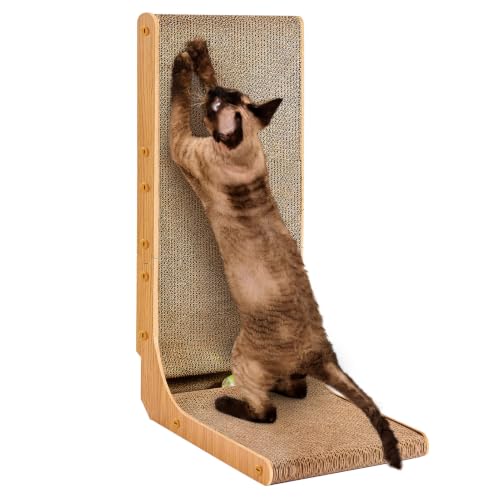
For kittens, a wand toy is one of the most useful tools for safe play. Try the View on Amazon, which lets you keep hands away from teeth and claws. A good scratching surface also helps redirect energy. Many owners use a View on Amazon to give kittens a place to climb and scratch.
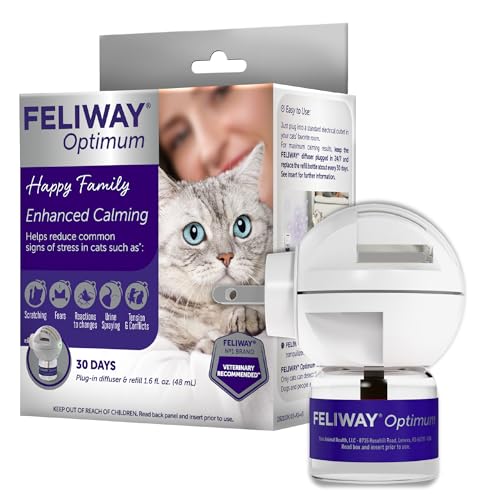
For adult cats, a comfortable bed and a daily interactive toy often meet most needs. A View on Amazon may help some cats settle during changes, though results vary from cat to cat. Choose a product that matches your cat’s habits rather than assuming one size fits all.
FAQ
How long does a kitten stay in the kitten stage?
Most veterinary guidance treats a cat as a kitten until about 1 year of age. During the first year, behavior and energy levels change quite a lot, so expect ongoing shifts in play and sleep.
Do kittens calm down as they grow?
Many owners report that kittens become noticeably calmer between about 1 and 2 years old, though individual cats vary widely. Consistent play and enrichment help kittens burn energy productively.
Is it harder to adopt an adult cat with behavior problems?
Adult cats may come with established habits, some good and some challenging. Ask the shelter or rescue about the cat’s history with people, litter use and other animals before adopting. A veterinarian can help rule out medical causes for any concerning behavior.
Can a kitten and an adult cat live together?
Often yes, but introductions should be gradual. Keep them separated at first, then supervise short meetings. Adult cats may need time to accept a playful kitten, and the adult can help teach boundaries. Consult a veterinarian or behaviorist if conflict continues.
Should I get a kitten or an adult cat if I have young children?
Adult cats are often a good fit for families with young children because their behavior is predictable and their play is gentler. Kittens can be wonderful too, but they need supervision and clear rules about handling, since their biting and scratching can startle small children.
Conclusion
When comparing kitten vs cat behavior, neither option is better in every way. Kittens offer energy, flexibility and a chance to shape a companion from an early age, but they demand time and patience. Adult cats offer predictability, calmer play and fewer early-life challenges. Think honestly about your schedule, household and tolerance for disruption, then choose the life stage that fits your daily life. For ongoing questions about your cat’s health or behavior, your veterinarian is the best resource.