 By Emily Parker
Updated November 2026
The best automatic cat litter boxes clean themselves after each visit, which saves daily scooping and keeps odor under control. This guide walks you through the features that matter, how to match a model to your cat and home, and the setup and maintenance steps that keep an automatic box working well. By the end, you will know what to compare before you buy.
Step 1: Decide What Kind of Automatic Box You Need
Automatic boxes fall into two main groups. Self-cleaning models rake or sift waste into a sealed compartment, usually with a motion sensor that starts a cleaning cycle after your cat leaves. Fully enclosed models add a hood and a built-in cleaning mechanism, which many owners prefer for odor control. Both types can work well, so start with your cat’s size and habits rather than the feature list. For another angle, check out 7 Best Natural Fresh Cat Litters of 2026.
Shopping for one? See our guide: 5 Best Cat Litter Boxes with High Sides for Messy Cats (2026).
Check the bowl or sifting area dimensions against your cat’s length from nose to tail base. Manufacturers usually recommend a box that lets a cat turn around comfortably, and most cats need more room than they look like they need. Large or heavy cats often do better with the largest bowl you can fit in your space.
Step 2: Compare the Features That Affect Daily Life
Once you have a size range, compare the features that change how the box runs day to day:
- Sensor type: Weight sensors detect when a cat steps in and out. Motion sensors can be triggered by movement near the box. Ask whether the sensor is adjustable, since a cat that stays in the box for a long time may need a longer wait before cleaning starts.
- Waste drawer or bin: Check how often you will need to empty it and how the bags or liners are sealed.
- Litter type: Many automatic boxes work only with clumping litter, and some require specific grain sizes. Confirm this before you commit.
- Noise: Cleaning cycles can startle nervous cats. Owners often report that quieter motors are easier for shy cats to accept.
- Power: Look for a backup option, since a power outage can stop the cycle and leave waste in the bowl.
Step 3: Prepare Your Cat for the Switch
Many cats accept an automatic box quickly, but some need time. Introduce it alongside the old box rather than replacing it outright. Keep the box in a quiet, low-traffic spot, and avoid placing it next to food or water. Run the cleaning cycle while your cat is elsewhere the first few times so the noise does not become a surprise. If your cat avoids the box after the switch, go back to the old setup for a few days and try again more gradually.
Check that your cat is using the box normally before relying on it. Sudden changes in litter habits can signal a medical issue, so if your cat strains, cries, goes outside the box or shows blood in the urine, contact your veterinarian promptly rather than adjusting the box.
Step 4: Set Up a Simple Maintenance Routine
Automatic boxes reduce scooping but do not eliminate maintenance. A simple routine keeps them working:
- Empty the waste bin or drawer when it reaches the fill line on the manufacturer’s indicator.
- Top up litter to the depth the manufacturer specifies, typically checked weekly.
- Wipe the sensors and the inside of the hood or bowl with a mild, unscented cleaner once a week.
- Do a full cleaning and litter replacement on the schedule in the owner’s manual, often every few weeks.
Common Mistakes to Avoid
- Buying a box that is too small for a large or senior cat.
- Using a litter type the manufacturer does not recommend, which can jam the mechanism.
- Skipping the sensor cleaning, which leads to missed cycles.
- Ignoring the bin until it overflows and blocks the cleaning path.
- Assuming an automatic box removes the need to watch your cat’s bathroom habits.
Recommended Gear
A quality litter mat under the box catches stray granules and protects your floor. View on Amazon
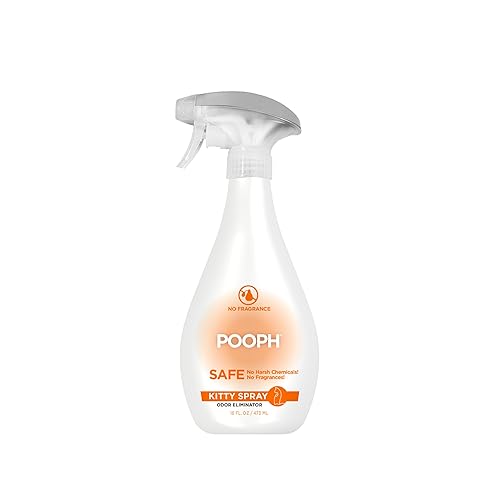
Unscented enzymatic cleaner helps remove residue from the bowl and sensors without leaving scents that deter your cat. View on Amazon
For a broader comparison of automatic options, see Automatic Cleaning Cat Litter Boxes: A Practical Guide (2026) and Best Cat Litter Boxes. If you have several cats, 4 Best Automatic Cat Litter Robot Options for Multi-Cat Homes (2026) covers larger setups.
FAQ
Do automatic cat litter boxes work with all litter types?
No. Most models are designed for clumping litter, and some require a specific grain size. Always check the manufacturer’s list of compatible litters before buying.
Will my cat get used to the noise of a cleaning cycle?
Many cats adapt within a few weeks, especially if the box is introduced gradually. Shy or sensitive cats may need more time, and a quieter model can help.
How often do I need to clean an automatic litter box?
Empty the waste bin when the indicator shows it is full, usually every few days in a one-cat home. Do a full cleaning and litter replacement on the schedule in the owner’s manual.
Conclusion
Choosing among the best automatic cat litter boxes comes down to size, sensor type, litter compatibility and noise level. Match those to your cat’s habits and your home, introduce the box gradually, and keep up a simple maintenance routine. If your cat shows any change in litter habits, consult your veterinarian before assuming it is a box problem.
Related reading
- Top Entry Cat Litter Boxes: 7 Best Picks Compared (2026)
- 6 Best Disposable Cat Litter Boxes for Travel and Emergencies
Ready to choose one?
About Emily Parker
Emily Parker is part of our editorial team and reviews and edits our cats guides, checking product details against manufacturer specifications and owner feedback.