By Emily Parker
Updated November 2026
Automatic cleaning cat litter boxes use a motor and rake or sensor system to remove waste after your cat leaves the box, so you spend less time scooping by hand. This guide explains how these boxes work, what to check before you buy, and how to set one up so your cat keeps using it. It is written for owners who are considering an automatic cleaning cat litter box for the first time.
How Automatic Cleaning Cat Litter Boxes Work
Most units use one of two systems. Sensor-based models detect when a cat has entered and left, then wait a set number of minutes before starting a cleaning cycle. Timer-based models run on a fixed schedule, often several times a day, regardless of use. Waste typically drops into a sealed drawer or bag, and many models use a rake or rotating drum to move clumps there.
Shopping for one? See our guide: 5 Best Cat Litter Boxes with High Sides for Messy Cats (2026).
Manufacturers usually specify a delay of several minutes after the cat leaves before cleaning begins. This delay matters because a cycle that starts too soon can frighten a cat who is still in the box.
Choosing the Right Model for Your Cat
Before you shop, check these factors:
- Cat size and weight. Manufacturers list maximum cat weights. Larger cats may need a wider entry and a bigger bowl, so confirm the rated weight before buying.
- Litter type. Most automatic boxes work best with clumping litter. Some specify particular litter types or sizes, so read the listing carefully.
- Sensor reliability. Owners often report false triggers from light cats or cats that sit near the sensor. Look for adjustable delay settings.
- Noise level. A cleaning cycle can be loud. If your cat is easily startled, a quieter model or a placement away from sleeping areas helps.
- Waste drawer access. You will still empty the waste drawer, so check how easily it slides out and how it seals.
Setting Up Your Automatic Box Step by Step
- Assemble the unit on a flat, stable floor. Uneven surfaces can jam the rake.
- Fill the box with the litter depth the manufacturer specifies, usually a few inches. Too little litter can expose the rake; too much can cause jams.
- Set the delay and cycle settings. Start with the longest delay the model allows.
- Let your cat use the box for two or three days while you watch. Note whether she hesitates or leaves before the cycle ends.
- Keep an old box beside the new one for the first week so your cat always has a familiar option.
- Place the unit in a quiet, low-traffic spot with easy access. For placement guidance, see Two Cat Litter Boxes: How to Set Up, Place and Maintain Them (Step-by-Step).
Maintenance and Cleaning Schedule
An automatic box reduces scooping but does not remove the need for maintenance. Empty the waste drawer or bag regularly, usually every few days in a single-cat home, and check the rake for hair or litter buildup. Wipe the bowl and sensors monthly. Replace litter according to the manufacturer’s guidance rather than waiting for it to smell. For a full routine, read How Often to Scoop and Change Cat Litter: A Cleaning Routine.
Common Mistakes
- Skipping the adjustment period and letting the cycle start too quickly.
- Using the wrong litter type, which can cause jams or poor clumping.
- Ignoring a sensor that keeps triggering, which can stress your cat.
- Letting the waste drawer overfill, which can block the rake.
- Removing the old box entirely before your cat accepts the new one.
Recommended Gear
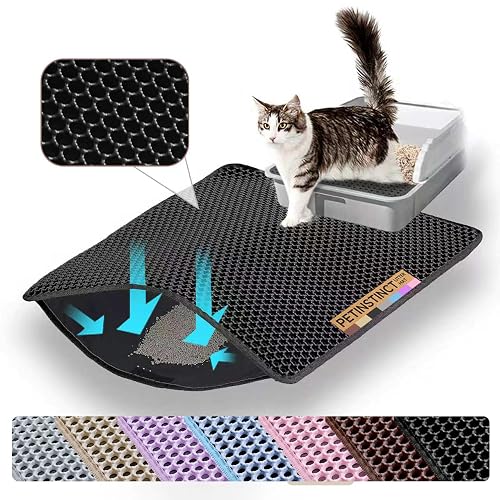
- A rubber or silicone litter mat helps catch tracked litter around any box, automatic or not. View on Amazon
- Compostable waste bags fit many drawer designs and make emptying cleaner. View on Amazon
- A low-dust clumping litter suits most sensor-based units. View on Amazon
FAQ
Do cats adjust to automatic litter boxes?
Many do, but adjustment varies. Watch for hesitation, and lengthen the cleaning delay if your cat leaves quickly and seems uneasy.
How often do I still need to clean an automatic box?
You will still empty the waste drawer regularly and wipe the unit periodically. Follow the manufacturer’s schedule for litter and parts.
What if my cat stops using the automatic box?
Stop-using behavior can signal a medical problem, so check with your veterinarian before changing the setup. If the vet finds nothing, reintroduce a regular box alongside the automatic one.
Conclusion
Automatic cleaning cat litter boxes can cut daily scooping, but they work best when the model suits your cat’s size and litter needs. Set the delay carefully, watch your cat’s response, and keep up with drawer emptying. If your cat shows changes in litter habits, consult your veterinarian.
Related reading
Ready to choose one?
About Emily Parker
Emily Parker is part of our editorial team and reviews and edits our cats guides, checking product details against manufacturer specifications and owner feedback.