As an Amazon Associate I earn from qualifying purchases. This page may contain affiliate links.
Blissful cat behavior consulting refers to working with a feline behavior specialist who assesses why a cat acts the way it does and builds a practical plan to change problem behaviors such as litter box avoidance, aggression, excessive vocalizing, or destructive scratching. A consultant usually starts with a home visit or video review, then gives written, step-by-step guidance. Results depend on the cause, so a good consultant rules out medical issues first.
Why Cat Behavior Consulting Exists
Many cat owners reach a breaking point before they seek help. A cat that suddenly stops using the litter box or starts attacking visitors can strain a household fast. Cats are territorial, sensitive to routine, and very good at hiding discomfort, so the behavior you see is often a symptom of something underneath. A behavior consultant looks for that underlying trigger rather than simply trying to stop the behavior.
Consultants may be certified through programs for animal behavior or be veterinary behaviorists, who hold veterinary degrees and can prescribe medication. Titles vary widely, so it helps to ask about training, credentials, and how the consultant handles cases that might have a medical component.
Factors a Consultant Will Look At
A thorough consultation considers several areas at once:
- Health: Pain, dental disease, urinary problems, hyperthyroidism, and arthritis can all change behavior. A consultant should recommend a vet exam before any training plan.
- Environment: Litter box count and placement, vertical space, hiding spots, and access to windows all matter. Many experts suggest one more litter box than the number of cats in the home.
- Routine: Feeding times, play sessions, and changes such as a new baby, a moved couch, or a departed housemate can unsettle a cat.
- Social dynamics: Conflicts between cats, or between cats and dogs, often show up as hiding, over-grooming, or swatting.
- Stress signals: Hiding, over-grooming, and aggression are common stress responses. Learning to read them is a core part of the work.
What Happens During a Session
Most consultations begin with an intake questionnaire covering the cat’s history, daily schedule, diet, and the exact behaviors that concern you. The consultant then reviews videos, asks about the home layout, and may ask you to keep a log for one to two weeks. Good consultants explain their reasoning and set realistic goals. Many cases improve over weeks, not days, and some require ongoing follow-up.
What to Do About It
Once the cause is clearer, the plan usually combines environmental changes, consistent routines, and positive reinforcement. Avoid punishment. It tends to increase fear and can make the behavior worse. If you are considering consulting, start with a vet visit, write down the behaviors and when they happen, and gather any videos before the first session.
Practical Steps
- Schedule a vet exam to rule out pain or illness.
- Keep a daily log of the behavior: time, location, what happened just before.
- Check that litter boxes are clean, quiet, and in low-traffic spots.
- Add vertical perches and hiding spots so your cat can retreat when needed.
- Keep feeding and play at predictable times.
- Ask any consultant about credentials and how they handle medical concerns.
What We’d Use
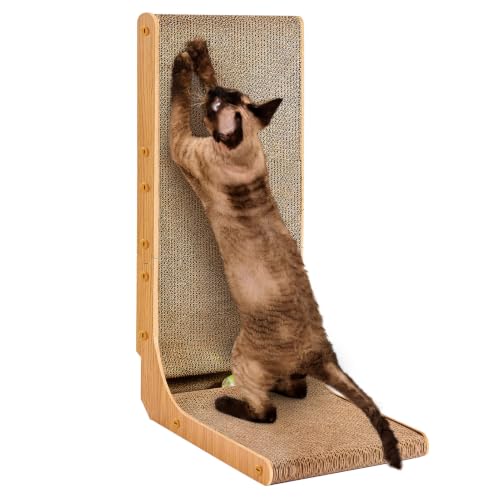
Environmental enrichment often supports the work a consultant recommends. A sturdy multi-level cat tree gives a cat height and hiding space. View on Amazon
A wand toy encourages short, structured play sessions that burn energy and build positive associations. View on Amazon
A covered litter box can help a shy cat feel more private, though some cats prefer open boxes, so observe your cat’s preference. View on Amazon
Related Questions
Is cat behavior consulting the same as cat training?
Not quite. Training teaches specific skills, such as coming when called. Consulting focuses on understanding and changing problem behavior, which often involves the home environment and health as well.
How long does it take to see results?
It varies. Simple environmental fixes may show change within a week or two. Deeper issues like anxiety-driven aggression can take several months of consistent effort.
Can a consultant fix litter box problems?
Often, yes, but a vet should check for urinary or pain issues first. For more background, see Why Cats Stop Using the Litter Box and How to Respond.
Should I try to understand my cat’s behavior on my own first?
Yes, and it helps. Reading Understanding Cat Behavior: A Guide for Cat Owners and Common Stress Behaviors in Cats: Hiding, Over-Grooming, Aggression can help you describe the problem clearly to a consultant.
When should I call the vet instead of a behaviorist?
If a behavior change is sudden, comes with appetite changes, or involves signs of pain, see your vet first. For guidance on warning signs, see Signs Your Cat Is Sick and When to Call the Vet.