 By Emily Parker
Updated November 2026
Cat litter non clumping products soak up urine into the granules or clay without forming a solid ball, so you scoop out waste and dump the whole box on a schedule. Clumping litter forms firm clusters you can lift out, which makes daily cleanup faster. For most owners with one or two cats who want quick scooping, clumping wins. For kittens, cats with urinary concerns, or anyone who prefers a simpler, less frequent full change, cat litter non clumping is often the better fit.
| Criterion | Non-clumping litter | Clumping litter |
|---|---|---|
| How urine is handled | Absorbed and spread through the litter | Forms a solid mass that can be lifted out |
| Daily cleanup | Scoop solids, stir remaining litter | Scoop clumps and solids |
| Full change frequency | Typically every 2–4 weeks, depending on cat count | Often longer between full changes |
| Kitten suitability | Generally preferred | Not recommended under about 3 months |
| Dust level | Varies by material; many options are low-dust | Varies by material; sodium bentonite can be dusty |
| Tracking | Light particles can track out | Clumps may stick to paws and track |
| Odor control | Depends on additives and change schedule | Good when clumps are removed promptly |
| Best for | Kittens, cats with health concerns, households that want less lifting | Single or few cats, owners who scoop daily |
Absorbency and How Urine Is Handled
The biggest difference between cat litter non clumping and clumping litter is what happens when a cat urinates. Non-clumping litter, often made from silica gel, recycled paper, pine or corn, or non-clumping clay, pulls liquid into the material. The urine does not form a separate ball, so the litter stays loose but gradually becomes saturated.
Clumping litter, usually sodium bentonite clay, swells when wet and binds into a dense mass. Owners often report that this makes it easy to remove the wet spot in one motion and leave the rest of the litter clean.
Winner for absorbency control: clumping litter, because it isolates the wet area so you can remove it. Non-clumping litter wins if you want an even, uniform bed without hard clusters to lift.
Cleanup and Scooping Time
For daily upkeep, clumping litter is hard to beat. You scoop out clumps and solid waste, usually in under a minute for one cat, and the box looks fresh. Non-clumping litter requires a different routine. You remove solid waste, then stir the litter to spread moisture and let it dry out. Many owners find this adds a little time and occasionally leaves a damp patch that needs attention.
Non-clumping litter also means you need to watch saturation. A simple rule many owners follow is to dump and replace the full contents once the litter smells or feels heavy at the bottom. Check the bottom of the box by pressing a scoop down to see whether moisture has reached the base.
Winner for easy cleanup: clumping litter.
Full Change Frequency and Litter Life
Because non-clumping litter cannot remove urine from the box, it has to be fully changed more often. Manufacturers of many non-clumping products suggest a full change every few weeks, while clumping products often last longer between complete changes as long as clumps are removed daily. Actual timing depends on the number of cats, box size, and whether the litter is silica, paper, wood or clay.
Multi-cat homes will need to change litter more frequently regardless of type. If you have several cats, you may also want to read our guide to clumping clay cat litters for multi-cat homes to compare how those products handle heavier use.
Winner for longer time between changes: clumping litter, provided you scoop consistently.
Kitten Safety: Which Type Is Better for Young Cats?
Kittens are the most important group for this comparison. Clumping clay can form masses if a kitten eats litter, and ingested clumps can be a serious concern. Many veterinary sources recommend non-clumping, kitten-safe litter for kittens and young cats who still explore by chewing and tasting. Non-clumping formulas made from paper, wood, or other digestible materials are commonly suggested.
If you are raising a kitten, our overview of best cat litter for kittens covers safe options in more detail. Also consider that kittens are learning box habits, so a low-dust, easy-to-walk-on material can make a difference.
Winner for kittens: non-clumping litter, chosen from materials your vet considers safe for young cats. Consult your veterinarian if your kitten has been eating litter, as this can be a sign of a behavior or health issue.
Dust, Tracking and Comfort
Dust matters for both cats and people, especially for anyone with asthma or allergies. Many non-clumping products are formulated to be low dust, including some paper and wood options. Sodium bentonite clumping clay is often described as dustier, though low-dust clumping formulas exist.
Tracking depends more on particle size and shape than on whether the litter clumps. Fine granules and light pellets can spread on the floor, while larger clumps can stick to paws. Placing a rubber or textured mat outside the box helps either type.
Winner for low dust: non-clumping litter in many cases, though it depends on the specific brand. Check each product’s description and choose a low-dust formula regardless of type.
Odor Control
Odor depends mostly on how often you clean and how quickly you remove urine. Clumping litter traps moisture in clumps you remove, which can keep the box smelling fresher between changes. Non-clumping litter can hold odor as it saturates, so timely full changes matter. Some non-clumping products include added odor control, but these claims vary by brand.
If odor is your main concern, a litter deodorizer or a box with a lid and filter may help more than the litter type alone. Scooping at least once a day is the single most effective step for either option.
Winner for odor control: clumping litter, when scooped daily. Non-clumping litter can perform well with frequent full changes.
Health Considerations
Some owners choose non-clumping litter because clumping clay may be less suitable for cats with certain health issues, including those who have eaten litter or who have respiratory sensitivity. Clumping litter also forms clumps of urine that some owners prefer to monitor for changes in urine volume. If you track your cat’s urination for health reasons, this may influence your choice.
Any change in litter habits, box avoidance, or urination patterns should be discussed with a veterinarian. Persistent changes can signal a medical problem, so consult a professional if you notice straining, frequent trips, or blood in the urine.
Winner for health-sensitive cats: non-clumping litter in most cases, but always follow your vet’s advice.
Which Should You Choose?
- Choose clumping litter if you have one or two adult cats, scoop daily, and want the easiest cleanup.
- Choose non-clumping litter if you have a kitten or a cat who eats litter.
- Choose non-clumping litter if you prefer to change the full box every few weeks rather than scoop clumps.
- Choose non-clumping litter if your cat has health concerns and your vet recommends avoiding clumping clay.
- Choose clumping litter if you have several cats and want to remove wet spots quickly between changes.
- Choose low-dust non-clumping litter if respiratory sensitivity is a concern in your home.
Popular options in each category include:
- Non-clumping: Arm & Hammer Super Scoop Non-Clumping Cat Litter View on Amazon
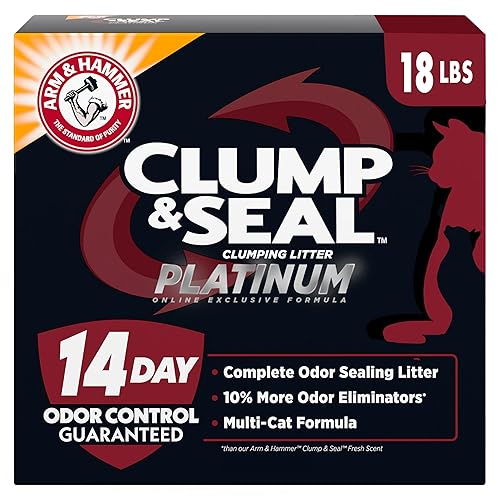
- Clumping: Dr. Elsey’s Precious Cat Ultra Clumping Cat Litter View on Amazon
For more buying guidance, see our breakdown of top clumping cat litter that clumps picks and the general explainer on clumping vs. non-clumping cat litter explained. If you are deciding between types for a specific reason, our article on clumping versus non clumping cat litter: which to choose and why goes deeper into trade-offs.
FAQ
Is non clumping cat litter better than clumping for kittens?
Generally yes. Non-clumping litter is usually recommended for kittens and young cats because clumping clay can form masses if swallowed. Choose a material your veterinarian considers safe for kittens, and consult them if your kitten has been eating litter.
How often should I change non clumping cat litter?
Many manufacturers suggest a full change every two to four weeks, depending on how many cats you have and how much moisture the litter absorbs. Scoop solid waste daily, stir the litter, and replace it sooner if it smells or feels saturated at the bottom.
Can I switch from clumping to non clumping litter gradually?
Yes. Many owners mix the two types over about a week, starting with a small portion of the new litter and increasing it gradually. This helps your cat adjust to the new texture and reduces the chance of box avoidance.
Does non clumping litter smell worse than clumping?
It can, if it is not changed often enough. Clumping litter removes wet spots as clumps, which often keeps odor lower between changes. Non-clumping litter depends more on frequent full changes and sometimes on added odor control.
Is non clumping litter good for cats with urinary problems?
Some owners prefer it because it allows monitoring of urine patterns and avoids clumps that may be harder to track. However, litter type alone does not treat urinary disease. Any signs of straining, frequent trips, or blood should be checked by a veterinarian promptly.
Conclusion
Cat litter non clumping and clumping litter each have clear strengths. Clumping litter is the easier daily cleanup and suits most adult cats in single- or double-cat homes. Non-clumping litter is the better choice for kittens, cats who eat litter, and owners who prefer changing the full box on a regular schedule. Match the type to your cat’s age, health and your household’s routine, and scoop consistently whichever you choose. If your cat shows any sudden change in box habits, speak with your veterinarian first.
Related reading
- Clumping vs. Non-Clumping Cat Litter Explained
- Clumping Versus Non Clumping Cat Litter: Which to Choose and Why (2026)
- Best Clumping Cat Litter
- Best Cat Litter Kittens: 6 Safe, Clumping-Free Picks for Young Cats (2026)
- 7 Best Clumping Unscented Cat Litters for Every Home (2026)
- 7 Best Clumping Clay Cat Litters for Multi-Cat Homes (2026)
- Why Cats Stop Using the Litter Box and How to Respond
About Emily Parker
Emily Parker is part of our editorial team and reviews and edits our cats guides, checking product details against manufacturer specifications and owner feedback.