By Colin Foster
Updated November 2026
Your cat rubs his face on everything because he is leaving scent behind. Cats have scent glands around the lips, cheeks, chin and forehead, and rubbing transfers those oils onto furniture, doorframes, your legs and your shoes. It is a normal, friendly behavior that usually means he feels comfortable in his space. The main reasons are scent marking, familiarity and contentment, though a sudden change can sometimes point to a problem.
Why cats rub their faces on things
Cats have glands on several parts of the head. The facial glands sit near the mouth, on the cheeks, under the chin and at the base of the ears. When your cat pushes his face against a surface, he deposits a small amount of these secretions. To a cat, that scent is a message: this object is known, safe and claimed.
Shopping for one? See our guide: Why Does My Cat Puke Up His Food? 4 Best Helpers for Sensitive Stomachs.
Scent marking is the most common explanation. Cats use it to define territory, especially in a home with other pets or people. A cat who rubs his face on the edges of the couch, the corners of walls and the legs of a chair is building a map of familiar things that smell like him.
Rubbing is also a social and comfort behavior. Cats often rub against people and other animals they trust. If your cat rubs you, your legs or a family member, he is blending his scent with yours, which is how cats show that a relationship is secure.
Factors that affect how often your cat does it
Several things influence how much face rubbing you see:
- Age and hormones. Intact males and females often mark more intensely, especially around the time they reach sexual maturity. Spaying or neutering often reduces the urge to mark.
- Other animals. A new cat, a dog or even an outdoor cat visible through a window can prompt extra marking, because your cat wants to reinforce his claim on the home.
- Stress and change. Moving furniture, new visitors, a new baby or a renovation can make a cat mark more to feel secure.
- Freshly cleaned or new items. Many cats rub heavily on new objects, such as a delivery box, a new blanket or a fresh bag of groceries, until they smell familiar.
- Personality. Some cats are simply more affectionate and expressive. Frequent face rubbing can be just part of who your cat is.
When face rubbing could signal a problem
Face rubbing on its own is almost never a concern. However, certain changes deserve attention. If your cat rubs his face excessively against one spot until the fur is thin or the skin is red, he may be itchy or uncomfortable. Allergies, skin infections, parasites such as fleas or mites, and dental or eye irritation can all cause that pattern. Watch for discharge from the eyes or nose, sneezing, head shaking, drooling, a swollen face or any sign of pain when eating.
A sudden increase in marking can also reflect stress or a change in the environment that you may not have noticed. If the behavior is new and intense, or it comes with changes in appetite, litter box habits or sleep, schedule a visit with your veterinarian. A vet can check for skin, dental and eye problems and help you rule out medical causes.
What to do about it
- Leave it alone if it is normal. In most homes, face rubbing is harmless and does not need to be stopped.
- Wash soft items occasionally. Heavy scent on blankets or cushions does not hurt your cat, but washing them now and then keeps the buildup manageable.
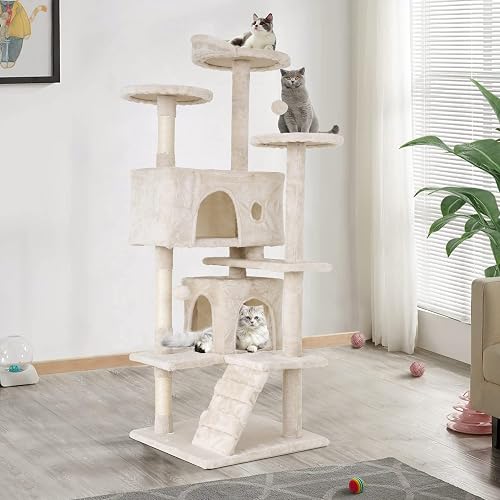
- Offer scratching posts and cat trees. Cats also mark with their paws, so a sturdy scratching post near the spots he favors can redirect some of the urge.
- Check for itch or irritation. If you see bald patches, scabs or redness, book a vet visit rather than trying home remedies.
- Reduce stress where you can. Keep routines steady, provide hiding spots and vertical space, and give him a quiet place to retreat.
- Talk to your vet about neutering. If your cat is not fixed and marks heavily, spaying or neutering often helps.
What we’d use
If your cat rubs his face on items you want to keep clean, a few types of product can help you manage the habit without stopping the behavior.
- A cat scratching post with a sturdy base gives him a legitimate place to mark. View on Amazon
- A cat tree with a platform near a favorite window keeps him busy and gives him higher ground to claim. View on Amazon
- A cat-safe enzymatic cleaner removes scent residue from fabric and floors so you can wash away the marks you do not want to keep. View on Amazon
Related questions
Is it normal for my cat to rub his face on me?
Yes. Face rubbing against you is a sign of trust and affection. It means he considers you part of his familiar group and wants to share his scent with you.
Does face rubbing mean my cat is in heat?
It can. Intact cats in heat often rub more and may also vocalize, roll and show other changes. If your cat is not spayed or neutered, the behavior may be related to hormones.
Should I stop my cat from rubbing his face on things?
Usually there is no need. The behavior is natural and calming for cats. Only consider intervening if it damages property you care about, or if it looks like itching or skin irritation.
Why does my cat rub his face on new things?
New objects lack his scent, so he marks them to make them feel familiar and safe. This is especially common with boxes, bags, furniture and bedding.
When should I see a vet about face rubbing?
Schedule a visit if the rubbing is constant, leaves bald or red patches, or comes with discharge, sneezing, head shaking, drooling, or changes in eating or litter habits. A veterinarian can check for allergies, infections, parasites and dental or eye problems.
FAQ
Does face rubbing mean my cat loves me?
Face rubbing is a sign that your cat feels comfortable and trusts you, since he is willingly leaving his scent on you. It is one of the ways cats show that they consider a person or place part of their familiar territory. Not every cat is equally affectionate, though, so judge the behavior alongside his other body language.
Why does my cat rub his face on my things but not on other people?
Cats tend to mark items and people they feel bonded to, so your belongings and your legs may carry more of his attention than guests do. Your clothes and shoes also carry your own scent, which can make them especially appealing to rub against. Some cats are simply more selective about who they choose to mark.
Is it a problem if my cat rubs his face on the walls and doors?
Rubbing on walls, doorframes and furniture is normal and usually harmless, and it is a common way cats build a sense of safety in their home. If the rubbing becomes intense, leaves visible grease, or is paired with spraying or other changes, it is worth taking a closer look. Keeping the areas clean and offering acceptable scratching spots can help redirect the behavior if it bothers you.
Can I wash off the scent my cat leaves behind?
You can clean the surfaces he rubs, but you do not need to remove every trace, since the scent is natural and mostly invisible to people. Regular cleaning can keep oily residue from building up on fabrics and painted surfaces. Avoid harsh cleaners that might irritate him, and make sure anything you use is safe around cats.
Will my cat stop rubbing his face on things if he is neutered?
Neutering can reduce marking behavior in many male cats, including scent marking with facial glands, but it does not always stop it completely. Face rubbing for comfort and familiarity is a separate behavior that often continues regardless of his neuter status. If you are considering neutering for other reasons, your vet can talk through what to expect.
Should I be worried if my cat suddenly starts rubbing his face on everything more than usual?
A sudden increase can sometimes follow a change in the household, such as a new pet, a new person, or moving furniture, because cats often mark more when they feel their territory is changing. It can also occur with stress or certain health issues, so if the increase is sudden and unexplained, a vet visit is a good idea. Watch for other signs like changes in appetite, litter box habits or grooming.
Conclusion
If your cat rubs his face on everything and seems relaxed and healthy, this is most likely a friendly, normal way of marking his space, and you can simply enjoy it. If the behavior is new, intense, or paired with changes in eating, litter box use or mood, a vet check is the better choice to rule out a problem.
For most households, the best approach is to keep surfaces reasonably clean, provide plenty of acceptable places to rub and scratch, and watch for any sudden shifts. Owners who notice a clear change in their cat’s habits should prioritize a vet visit over trying to solve it at home.
Related reading
- Why Does My Cat Wiggle His Tail? Causes and What to Do
- Why Does My Cat Wag His Tail? Causes and What It Means
- Why Does My Cat Twitch in His Sleep? Causes and What to Know
- Why Does My Cat Touch My Face? Causes and What to Do
- Why Does My Cat Throw Up His Food? 4 Best Helpers for Sensitive Stomachs
- Why Does My Cat Stroke My Face? Causes and What It Means
Ready to choose one?
About Colin Foster
Colin Foster is part of our editorial team and reviews and edits our cats guides, checking product details against manufacturer specifications and owner feedback.