 By Emily Parker
Updated November 2026
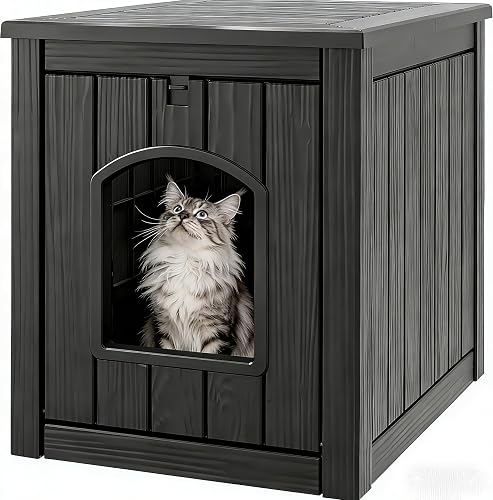
Cat litter enclosed boxes, which are covered boxes with a door or top opening, can help control litter scatter and odor, but they are not right for every cat. This guide shows you how to pick the right enclosed model, set it up so your cat will actually use it, and keep it clean. You will also learn the signs that a covered box is causing a problem.
Step 1: Check Whether Your Cat Will Accept a Covered Box
Many cats prefer open boxes because they can see their surroundings while they are vulnerable. Before you buy, watch how your cat uses her current box. If she sits at the entrance, hesitates, or backs out, an enclosed design may feel like a trap. Cats that are young, mobile, or prone to startling often adjust well, while older cats with arthritis may struggle to step over a high entry. Worth reading next: Cat Covered Litter Tray: How to Choose and Use One (Step-by-Step).
Shopping for one? See our guide: 5 Best Cat Litter Boxes with High Sides for Messy Cats (2026).
Step 2: Size the Enclosure for Your Cat
A good rule is that the box should be at least 1.5 times your cat’s body length from nose to base of tail, and the interior should let her turn around comfortably. Measure her while she is stretched out, then add some room. Check that the entry height is low enough for her to step in without jumping. Multi-cat households need extra floor space, and the general guidance on how many boxes to provide is covered in How Many Cat Litter Boxes per Cat? The Rule of Thumb and Setup Tips.
Step 3: Choose Ventilation and Odor Features
Odor is the main reason owners buy covered boxes, but a closed box holds smell in unless it has some airflow. Look for vents, a carbon filter in the lid, or a design with a gap at the top. Avoid sealing the box so tightly that ammonia builds up, since strong smells can deter cats and may affect their respiratory health. Choose a litter type that clumps well so waste is easy to remove.
Step 4: Set Up and Introduce the Box
- Place the enclosed box in the same quiet area your cat already uses, away from her food and water.
- Fill it with 2 to 3 inches of the litter she is used to, so the texture feels familiar.
- Leave the old open box in place for one to two weeks, then remove it once she is reliably using the new one.
- Keep the door or lid open at first so she can see inside and get comfortable.
- Close the lid or door gradually over several days if the design allows it.
For a broader look at setup and placement, see Two Cat Litter Boxes: How to Set Up, Place and Maintain Them (Step-by-Step).
Step 5: Maintain the Box on a Schedule
Scoop at least once a day, and empty and wash the whole box about once a week with mild unscented soap. Replace the litter fully when it becomes saturated or starts to smell even after scooping. Enclosed boxes trap more heat and moisture than open ones, so check the interior regularly. If you are considering a covered model with a built-in top entry, Top Entry Cat Litter Boxes: 7 Best Picks Compared (2026) covers those designs in more detail.
Common mistakes
- Buying a covered box for a cat who has never used one, then forcing her inside.
- Choosing a box that is too small, so the cat cannot turn around.
- Sealing the enclosure so tightly that smells build up.
- Skipping daily scooping because the lid hides the mess.
- Ignoring changes in bathroom habits, such as straining or going outside the box, which can signal a medical problem.
Recommended gear
- Covered cat litter box with carbon filter: A filter in the lid helps reduce odor escaping into the room. View on Amazon
- Litter scoop with fine slots: A scoop that lifts clumps without pulling up too much litter keeps daily cleaning fast. View on Amazon
- Litter mat with textured surface: A mat catches litter tracked out on paws and protects nearby flooring. View on Amazon
FAQ
Are enclosed cat litter boxes better for odor?
They often reduce odor that reaches the room, especially with a carbon filter or vents. However, a poorly ventilated enclosure can trap smells inside, so regular cleaning still matters.
Will my cat refuse a covered box?
Some cats do, particularly those who feel vulnerable in enclosed spaces. Introducing the box slowly and keeping the lid open at first improves the chances she will use it.
When should I talk to a vet about litter box use?
Contact a veterinarian if your cat strains, passes blood, urinates frequently in small amounts, or stops using the box altogether. These can be signs of a urinary or other health issue that needs professional care.
Conclusion
Cat litter enclosed boxes can keep litter contained and odor lower when they fit your cat’s size and habits. Choose a roomy design with ventilation, introduce it gradually, and keep up with daily scooping. Watch your cat’s behavior, and if her bathroom habits change, check in with your veterinarian.
Related reading
Ready to choose one?
About Emily Parker
Emily Parker is part of our editorial team and reviews and edits our cats guides, checking product details against manufacturer specifications and owner feedback.