 By Emily Parker
Updated November 2026
A cat covered litter tray is a litter box with a lid or hood that hides the litter and traps some odor. This guide explains when a covered tray helps, when it can cause problems, and how to set one up so your cat uses it without hesitation.
Decide Whether a Covered Tray Suits Your Cat
Covered trays suit some households better than others. They help most when odor or litter scatter is the main complaint, or when you have a small space where visual privacy matters. They can backfire with cats that feel trapped or that are wary of enclosed spaces.
Shopping for one? See our guide: 5 Best Cat Litter Box Crystals of 2026: Picks Compared.
Before you buy, watch your cat’s habits for a few days. A cat that digs vigorously and then stands tall afterward may tolerate a hood well. A cat that hesitates at the entrance or circles and leaves may prefer an open tray. If your cat has had recent changes in toileting, see the note on health below.
Set Up the Covered Tray Correctly
Placement and sizing matter as much as the cover itself. Follow these steps:
- Choose a quiet, low-traffic spot away from food and water bowls.
- Confirm the tray is at least 1.5 times your cat’s body length from nose to base of tail, and that the entrance is wide enough for her to walk in without ducking awkwardly.
- Fill the tray with 2 to 3 inches of litter. Most manufacturers specify this depth, and a shallow layer tends to spill onto the floor.
- Leave the lid off for the first two or three days so your cat can see the inside and get used to the new layout. Then fit the cover.
- Keep the old open tray in place for the first week if you are replacing one, and move it out gradually.
Maintain the Tray So Your Cat Keeps Using It
A covered tray traps more odor than an open one, so it needs regular scooping. Scoop solids and clumps at least once a day. Replace all the litter and wash the tray, lid included, every one to two weeks, depending on how many cats use it. Use mild unscented soap and rinse well, since strong cleaners can deter cats.
Check the lid and interior for buildup of urine or moisture. Trapped humidity can make the inside smell worse and can encourage bacteria, so make sure the tray dries fully after each wash.
Watch for Signs It Isn’t Working
If your cat starts going beside the tray, on the floor, or in another room, the cover may be the cause. Try removing the lid for a few days. If the behavior stops, you have your answer. Reading about Why Does My Cat Poop Outside Her Litter Box? Causes and Fixes can help you narrow down other causes too.
Common Mistakes to Avoid
- Buying a tray that is too small for your cat’s size. Cats need room to turn around comfortably.
- Switching to a covered tray abruptly without a transition period.
- Skipping cleaning because the lid hides the mess. Covered trays need the same routine as open ones.
- Placing the tray in a dead-end corner where your cat feels cornered.
- Using heavily scented litter or cleaners that can make the tray unappealing.
Recommended Gear
A few supplies make a covered tray easier to keep clean and easier for your cat to accept.
- Litter scoop with a fine-slotted head: Helps remove small clumps from a deep tray without pulling out too much fresh litter. View on Amazon
- Litter mat: Catches litter tracked out of the entrance, which matters more with a hooded design. View on Amazon
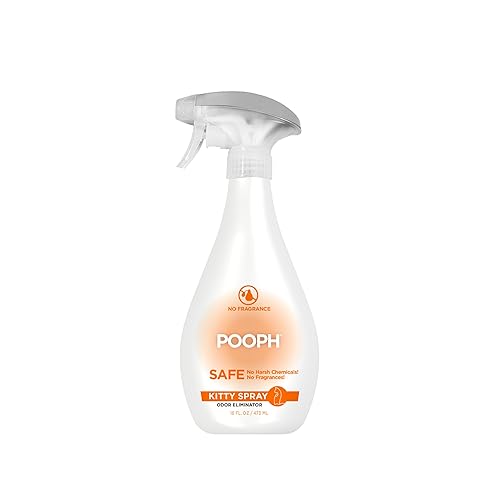
- Enzymatic cleaner for pet odor: Breaks down urine residue on trays and surrounding floors so the spot does not attract repeat use. View on Amazon
FAQ
Do cats like covered litter trays?
Many do, especially cats that prefer privacy. Others find the enclosed space stressful, so watch your cat’s response during the first week.
How deep should litter be in a covered tray?
Most owners aim for 2 to 3 inches, which gives enough depth for digging without spilling. Check the manufacturer’s guidance for your specific model. If you want more background, see Cat Litter Boxes Electric: How to Choose and Use One (Step-by-Step).
Can a covered tray cause health problems?
A covered tray itself does not cause illness, but poor hygiene inside a closed space can. If your cat strains, urinates often, or stops using the box, contact your veterinarian promptly, since these can signal urinary or other medical issues.
Conclusion
A cat covered litter tray can reduce odor and litter scatter, but it works only when the size, placement and cleaning routine suit your cat. Introduce it gradually, watch her behavior, and remove the lid if she shows reluctance. With a steady cleaning schedule, most cats adjust well.
Related reading
- Wood Pellets Cat Litter Box Picks: 6 Best Options for 2026
- Will Cat Litter Melt Ice? What Works and What Doesn't (2026)
- Why Did Cat Poop Outside Litter Box? 6 Causes and Fixes
- Why Cats Stop Using the Litter Box and How to Respond
- Two Cat Litter Boxes: How to Set Up, Place and Maintain Them (Step-by-Step)
Ready to choose one?
About Emily Parker
Emily Parker is part of our editorial team and reviews and edits our cats guides, checking product details against manufacturer specifications and owner feedback.