 By Emily Parker
Updated November 2026
Pregnant women and cat litter boxes can be a safe combination if you handle the box correctly. The main concern is Toxoplasma gondii, a parasite that can pass through cat feces and, in rare cases, cause serious problems for a developing baby. This guide shows you how to hand off the chore, clean the box safely, and set up your home so the risk stays low through pregnancy.
Understand the Real Risk
Cats usually pick up Toxoplasma by eating infected prey, and they shed the parasite in their stool for a short window, typically about one to three weeks after infection. A cat that has never been infected, or one that eats only commercial food and stays indoors, is very unlikely to shed it. The parasite does not become infectious until the stool sits for roughly one to five days, which is why daily scooping is one of the most effective protections. For more background, read Cat Litter Pregnant Women: Safety Steps and Precautions (2026).
Shopping for one? See our guide: 5 Best Cat Litter Boxes with High Sides for Messy Cats (2026).
Hand Off the Litter Duty
The simplest way to remove the risk is to have someone else clean the box for the duration of your pregnancy. If that is not possible, you can still reduce exposure a great deal by following the steps below.
- Wear disposable gloves, and wash your hands with soap and warm water afterward even if you wore them.
- Scoop at least once every day, so stool never sits long enough to become infectious.
- Use a scooper and a sealed bag, and throw the bag in an outdoor trash can.
- Do not empty the whole box into a bag or stir the litter more than needed.
- Wipe the box rim and floor around it, since stray litter often carries the same risk.
Set Up the Box for Easy, Low-Risk Cleaning
A well-placed, easy-to-clean box makes daily scooping faster and less messy. Put the box in a low-traffic area away from food preparation, and avoid spaces with poor ventilation. If you are switching setups, Two Cat Litter Boxes: How to Set Up, Place and Maintain Them (Step-by-Step) explains placement in more detail.
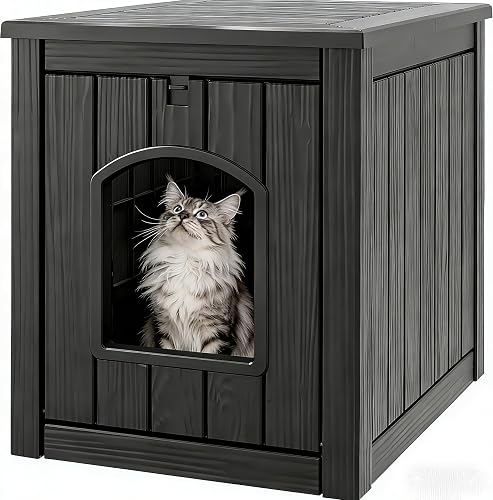
Many owners find that a box with high sides and a lid reduces litter scatter, which keeps cleanup simpler. Cat Litter Boxes with Lids: How to Choose and Use One (Step-by-Step) covers the trade-offs. An automatic box can also cut down on handling, though you still need to check it and clean the waste drawer. For options, see Best Automatic Cat Litter Boxes: How to Choose the Right One (2026).
Keep Your Cat and Home Healthy
Keeping your cat indoors and feeding commercial food lowers the chance that she carries the parasite in the first place. Ask your veterinarian about testing if you are unsure whether your cat has been exposed. Routine care supports this too; Everyday Cat Care: Grooming, Nail Trimming, Dental Care and Litter Boxes covers the basics.
Also wash fruits and vegetables before eating, cook meat thoroughly, and wash your hands after gardening, since soil can carry the parasite as well.
Common Mistakes to Avoid
- Letting waste sit for several days between cleanings.
- Cleaning the box without gloves and skipping handwashing.
- Assuming a cat that seems healthy has never been infected.
- Leaving the litter box in the kitchen or near food prep areas.
- Skipping the wider cleanup of litter that escaped the box.
Recommended gear
A few simple supplies make daily scooping safer and faster.
- Disposable nitrile gloves make it easy to protect your hands and throw them away after each cleaning. View on Amazon
- A sturdy scooper with a deep bin keeps waste contained and reduces mess on the floor. View on Amazon
- Unscented, sealable waste bags help you dispose of stool without spreading odor or litter. View on Amazon
FAQ
Can I be around a cat litter box while pregnant?
Yes, if you avoid handling the waste and wash your hands after any contact. Having someone else scoop daily is the most reliable way to lower your exposure.
How often should the litter box be cleaned during pregnancy?
Scoop at least once a day, since the parasite needs one to five days in stool to become infectious. Daily removal keeps the risk low.
Should I talk to my doctor about cats and pregnancy?
Yes. Your obstetric provider can give advice based on your health and test history, and your veterinarian can advise on your cat’s health.
Conclusion
Pregnant women and cat litter boxes can coexist safely with the right routine. Hand off the cleaning if you can, scoop daily with gloves, and wash your hands every time. Talk with your healthcare provider and veterinarian for advice specific to your situation.
Ready to choose one?
About Emily Parker
Emily Parker is part of our editorial team and reviews and edits our cats guides, checking product details against manufacturer specifications and owner feedback.