 By Emily Parker
Updated November 2026
An automatic cat litter box cleaner removes waste on a set schedule so you don’t have to scoop by hand every day. This guide explains how these machines work, what to check before you buy, and how to set one up so your cat accepts it. Most cats adjust within a week or two when the transition is handled gently.
How an Automatic Cat Litter Box Cleaner Works
Most units use a rake, sweeper or rotating drum that moves through the litter after a timer or a weight sensor detects that your cat has left the box. Waste drops into a sealed bin or a disposable bag, and the litter is flattened or redistributed for the next use. Some models use a fixed sifting screen, while others pull the whole litter bed through a tray.
Shopping for one? See our guide: 5 Best Cat Litter Box Crystals of 2026: Picks Compared.
Check the manufacturer’s stated weight range before buying. Units are rated for specific cat weights, and a cat outside that range may not trigger the sensor reliably or may stress the mechanism. Also confirm whether the unit works with clumping litter, crystal litter or both, since the rake design often depends on litter type.
Choosing the Right Model for Your Home
Start with three questions: How many cats use the box? How much floor space do you have? How much noise can you tolerate at night? Multi-cat homes need a larger bin and a faster cycle, while small apartments benefit from a compact footprint.
- Sensor type: Weight sensors trigger after the cat steps off. Timer-only units run on a schedule whether or not a cat has used the box, which can startle a nervous cat.
- Bin capacity: Larger bins mean fewer emptying trips, but check that the bin fits under your cat’s entry point.
- Entry height: Confirm the cat can still step in easily. Older or arthritic cats often struggle with high lips.
- Noise level: Read owner reports about motor sound, especially if the box sits in a bedroom.
- Safety stop: Look for a feature that pauses the rake if it detects a paw or tail in the path.
Setting Up the Cleaner Step by Step
Introducing an automatic box too quickly is the most common reason cats avoid it. Use a slow transition over about two weeks.
- Place the new unit next to your existing box, not in place of it. Keep the old box available at first.
- Fill the automatic unit with the same litter your cat already uses, to a depth the manufacturer specifies.
- Run the cleaning cycle manually at first so your cat hears and sees it without a sudden start.
- Gradually move the old box farther away each day, then remove it once your cat uses the new unit consistently.
- Check the unit daily for the first week to confirm the rake is not catching litter or getting stuck.
Maintenance and Troubleshooting
Empty the waste bin on the schedule the manufacturer recommends, usually every few days in a one-cat home. Wipe the sensor plate and rake edges monthly so waste residue does not interfere with detection. Replace the litter fully according to your litter type and the number of cats. If you want a general routine, see How Often to Change Cat Litter Box: A Simple Schedule for Every Setup for timing guidance that also applies to automatic units.
If your cat suddenly stops using the box, rule out a medical cause first. Changes in litter habits can signal urinary or digestive issues, so a vet visit is worth scheduling. For behavior-related avoidance, Why Cats Stop Using the Litter Box and How to Respond covers common triggers and fixes.
Recommended gear
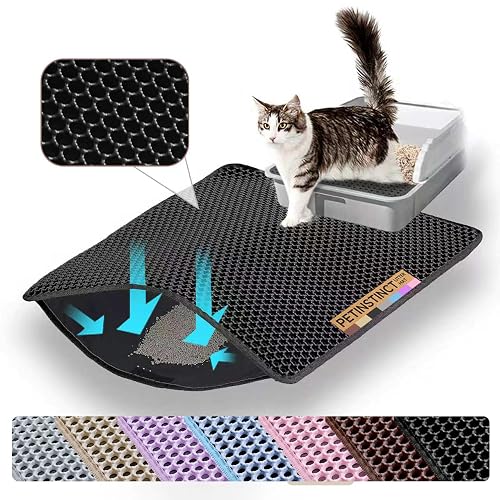
A litter mat with a textured surface catches stray litter around the entry point, which helps keep the cleaner’s track clear. Choose one sized to the unit’s footprint and check that it sits flat.
An odor control product can help between cleanings, especially in multi-cat homes. Look for a fragrance-free formula if your cat is sensitive to scents. View on Amazon
A replacement litter scoop is still useful for spot-cleaning urine clumps the rake misses. Choose a scoop with a fine sifting screen. View on Amazon
Common Mistakes
- Installing the unit and removing the old box on the same day.
- Using a litter type the rake was not designed for, which can jam the mechanism.
- Ignoring the bin until it overflows, which can block the rake path.
- Placing the unit on an uneven floor, which can cause the sensor to misread.
- Skipping the weekly deep clean, which allows odor and residue to build up.
FAQ
Will my cat use an automatic cat litter box cleaner?
Many cats adjust within one to two weeks if you introduce the unit gradually and keep the old box nearby at first. Cats that are nervous about noise may need a longer transition.
Can I use any litter in an automatic unit?
No. Check the manufacturer’s list of compatible litter types, since clumping, crystal and clay litters behave differently in the rake mechanism.
Does an automatic cleaner replace the need for daily checks?
It reduces scooping but does not replace monitoring. Check the bin, sensor and litter level regularly, and watch your cat’s litter habits for any change that might signal a health issue. Consult your veterinarian if you notice straining, blood or sudden avoidance.
Conclusion
An automatic cat litter box cleaner can save daily effort when you choose a model that fits your cat’s size, your litter type and your space. A slow, two-week introduction and regular bin and sensor maintenance make the biggest difference. If your cat’s habits change after installation, check with your vet before changing the setup.
Related reading
- Wood Pellets Cat Litter Box Picks: 6 Best Options for 2026
- Why Does My Cat Poop Outside Her Litter Box? Causes and Fixes
- Why Did Cat Poop Outside Litter Box? 6 Causes and Fixes
- Traveling with Cat Litter Box: 7 Steps for a Smooth Trip (2026)
Ready to choose one?
About Emily Parker
Emily Parker is part of our editorial team and reviews and edits our cats guides, checking product details against manufacturer specifications and owner feedback.