By Emily Parker
Updated November 2026
To know how often to change cat litter box contents, you need to separate two jobs: scooping solid waste daily and replacing the litter itself. Most cats do well with a full litter change every 2 to 4 weeks for clumping clay, and less often for crystal or pellet litter, as long as you scoop every day. This guide walks through a practical schedule, the signs that mean you should change sooner, and the mistakes that make litter boxes smell.
Start With Daily Scooping, Not Full Changes
Scooping is the routine that matters most. Remove clumps and solid waste at least once a day, and twice if you have more than one cat. Scooping daily keeps the box from becoming a source of odor and keeps your cat willing to use it. For a closer look at building that routine, see How Often to Scoop and Change Cat Litter: A Cleaning Routine.
Shopping for one? See our guide: 5 Best Cat Litter Box Crystals of 2026: Picks Compared.
How Often to Change Cat Litter Box Contents by Litter Type
How often you do a full change depends mostly on the type of litter. Manufacturers of clumping clay litters usually suggest a full replacement every few weeks, while crystal and pellet products can last longer because they absorb moisture differently. Use this as a starting point and adjust based on how the box looks and smells.
| Litter type | Daily scooping | Typical full change |
|---|---|---|
| Clumping clay | Yes, once or twice | Every 2 to 4 weeks |
| Silica crystal | Yes, once or twice | Every 3 to 4 weeks, topping up as needed |
| Wood or paper pellet | Yes, once or twice | Every 1 to 2 weeks, since pellets break down |
| Natural plant-based clumping | Yes, once or twice | Every 2 to 3 weeks |
Signs You Need a Full Change Sooner
Calendar schedules are guides, not rules. Change the litter earlier if you notice any of these:
- A smell you can detect from a few feet away, even after scooping
- Litter that feels damp or clumps stuck to the bottom of the box
- Litter depth dropping below about 2 inches, which leaves urine soaking into the box floor
- Visible tracking of litter dust or a sudden change in how your cat uses the box
Sudden changes in litter habits can also signal a health problem. If your cat starts going outside the box or straining, see Why Cats Stop Using the Litter Box and How to Respond and contact your veterinarian.
How to Do a Full Litter Change
- Scoop the box thoroughly and remove any remaining clumps.
- Pour out the old litter into a bag and tie it closed.
- Wash the box with warm water and unscented dish soap. Avoid strong-smelling cleaners, since cats can find them unpleasant.
- Rinse well and dry the box completely before adding new litter.
- Fill with fresh litter to about 2 to 3 inches deep.
Common Mistakes
- Waiting for the smell to appear before changing the litter, which means the box has been dirty for too long.
- Using bleach or ammonia-based cleaners, which can leave a residue that deters cats.
- Adding fresh litter on top of old litter instead of replacing it when the box is due.
- Ignoring the box size. Too little litter or a cramped box can lead to more mess.
- Skipping the wash step when topping off, which lets bacteria and odor build up.
Recommended gear
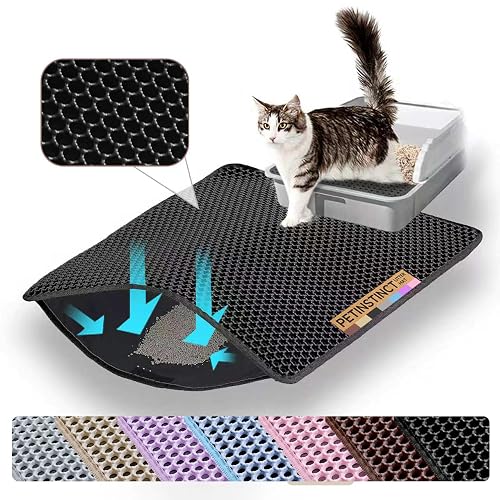
A sturdy litter scoop with fine slots makes daily cleaning faster and helps you remove clumps cleanly. A large, easy-clean litter mat catches tracked litter. A good washing brush helps you scrub the box corners during full changes.
- A metal litter scoop with fine slots for quick daily removal: View on Amazon
- A litter mat that traps tracked granules around the box: View on Amazon
- A long-handled scrub brush for cleaning box corners: View on Amazon
FAQ
How often should I change cat litter box contents if I have two cats?
Plan on scooping twice a day and doing a full change about every 2 weeks with clumping clay. Two cats produce more waste, so the litter reaches its limit faster. Watch the smell and clumping as your guide.
Can I just add more litter instead of changing it all?
Topping up works for crystal litter between full changes, but for clay or pellet litter it can trap odor underneath. A full change is the better choice when the box smells or the litter feels damp.
Is it safe to flush cat litter?
Do not flush cat litter, since it can clog plumbing and some clay products swell in pipes. Bag used litter and place it in the trash. Check local rules, as some areas have specific guidance.
Conclusion
For most cats, scoop daily and do a full litter change every 2 to 4 weeks, adjusting for litter type and the number of cats. Watch for smell, dampness and shallow litter as signs to change sooner. A consistent routine keeps the box clean and your cat comfortable.
Related reading
Ready to choose one?
About Emily Parker
Emily Parker is part of our editorial team and reviews and edits our cats guides, checking product details against manufacturer specifications and owner feedback.