 By Emily Parker
Updated November 2026
If you are pregnant and share your home with a cat, you can keep handling cat litter pregnant women safely by having someone else do the scooping, wearing gloves when you must do it yourself, and washing your hands thoroughly afterward. The main concern is Toxoplasma gondii, a parasite that can pass through cat feces and cause infection in people. This guide explains the practical steps to lower that risk without giving up your cat.
Why Cat Litter Matters During Pregnancy
Cats can shed Toxoplasma oocysts in their feces for a short period after they first become infected, usually one to two weeks. The oocysts need one to five days in the environment before they become infectious, which means fresh litter that is scooped daily poses far less risk than litter left sitting for several days. Infection in pregnant people can affect the developing baby, so it is worth taking the topic seriously. For a fuller look at the risks and what to do, read Pregnant with Cat Litter: Safety Risks and What to Do (Guide).
Shopping for one? See our guide: 5 Best Cat Litter Box Crystals of 2026: Picks Compared.
Step-by-Step: Handling the Litter Box Safely
- Hand off the task. Ask a partner, roommate or family member to do all scooping. This is the single most effective step.
- Scoop daily. Remove feces at least once a day, ideally twice. Oocysts take time to mature, so frequent removal keeps them from becoming infectious.
- Wear gloves if you must scoop. Use disposable gloves and a scoop you can clean. Remove gloves carefully and wash your hands with soap and warm water afterward.
- Dispose of waste properly. Bag feces and place them in a sealed trash container, not a compost pile or garden bed.
- Do a full litter change weekly. Empty the box completely, wash it with hot water and mild soap, dry it, and refill with fresh litter.
Choosing a Litter Setup That Fits Your Situation
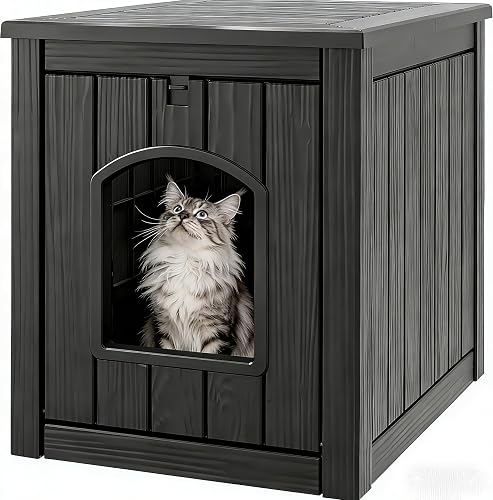
The type of litter matters less than how often you clean it. Clumping clay, silica crystal and natural litters all work when they are scooped regularly. Covered boxes can be useful if you want to limit tracking and odor, but they also make it easier to forget a scoop, so keep the routine consistent whatever you choose. If your cat is not already using a particular box, a box with a lower entry can help older or heavier cats get in and out comfortably.
Keeping Your Cat and Home Safe Too
Feeding your cat dry or canned food rather than raw meat lowers the chance that your cat becomes infected in the first place, since cats catch Toxoplasma mostly by eating infected prey or raw meat. Keep your cat indoors where possible, and wash hands after touching your cat or cleaning toys, especially before eating. Gardening during pregnancy also calls for gloves, because cats may use outdoor soil as a toilet.
Checklist
- Scoop litter at least once a day
- Use gloves for any litter contact
- Wash hands with soap and water after every contact with litter or the cat’s toys
- Clean the entire box weekly with hot water and mild soap
- Feed commercial food rather than raw meat
Common Mistakes
- Letting litter sit for several days before scooping
- Using bleach or strong ammonia cleaners on the box, which can leave residue and irritate your airways
- Skipping gloves during a quick scoop because it seems low-risk
- Touching your face or eating before washing your hands
- Assuming an indoor cat carries no risk at all
Recommended Gear
Disposable nitrile gloves make it easy to scoop without skin contact, and a sturdy, easy-to-clean scoop reduces the number of times you need to handle waste. A lidded waste bin with a liner keeps used litter sealed until it leaves the house. View on Amazon View on Amazon View on Amazon
FAQ
Can I keep my cat if I am pregnant?
Yes, in most cases. Keeping your cat is generally considered safe as long as litter is handled carefully, hands are washed, and your cat does not eat raw meat. Talk with your obstetric provider about any personal concerns.
Should I get a blood test for Toxoplasma?
Many prenatal providers can test for prior exposure, and a positive result from an earlier infection usually means lower risk. Ask your provider whether testing is recommended for your situation.
What if I accidentally touched litter without gloves?
Wash your hands thoroughly with soap and water right away. A single brief contact is unlikely to cause infection, but mention it to your provider at your next visit.
Conclusion
Handling cat litter during pregnancy comes down to a few consistent habits: scoop daily, wear gloves, wash your hands, and hand the job to someone else when you can. These steps lower the risk from Toxoplasma while letting you keep your cat. Always check specific concerns with your doctor or midwife, since they know your health history best.
Related reading
- Wood Pellets Cat Litter Box Picks: 6 Best Options for 2026
- Will Cat Litter Melt Ice? What Works and What Doesn't (2026)
Ready to choose one?
About Emily Parker
Emily Parker is part of our editorial team and reviews and edits our cats guides, checking product details against manufacturer specifications and owner feedback.