 By Emily Parker
Updated November 2026
If you are pregnant with cat litter in your home, the main risk is not the litter itself but the parasite Toxoplasma gondii, which can be shed in cat feces. You can keep handling the litter box safely by having someone else scoop, wearing gloves when you must do it yourself, and washing your hands afterward. This guide explains how the risk works and what to do each day.
Why Cat Litter Matters During Pregnancy
Cats can pick up Toxoplasma by eating infected prey or raw meat. The parasite is shed in feces for a short window, usually a few days after infection, and the oocysts take one to five days to become infectious in the environment. That means fresh cat droppings are the concern, not the everyday litter in general. Clumping litter and dry litter both can carry oocysts if the box is not cleaned regularly.
Shopping for one? See our guide: 5 Best Cat Litter Box Crystals of 2026: Picks Compared.
Pregnancy is the time to be most careful because a first-time infection during pregnancy can, in rare cases, pass to the baby. Most adults who are already immune from past exposure are not at risk, so a blood test with your doctor is a useful first step if you are unsure.
Safe Litter Box Handling Steps
- Ask a partner, family member or friend to take over scooping for the full pregnancy.
- If no one can help, scoop at least once a day, since oocysts need time to mature.
- Wear disposable gloves, scoop into a sealed bag and throw it in an outdoor bin.
- Wash your hands with soap and warm water afterward, even if you wore gloves.
- Clean the box fully on a regular schedule, using hot water and soap rather than relying on scooping alone.
Choosing a Setup That Lowers Your Exposure
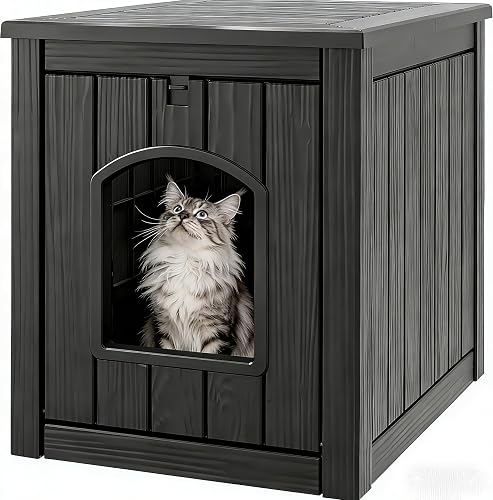
The box you choose affects how easy it is to keep clean. A covered or high-sided box can reduce litter scatter, and a box with a removable liner makes full cleaning faster. Keep the box in a low-traffic area away from food prep surfaces. If you are switching litter types, read up on options such as Plant Based Cat Litter Compared: 5 Best Picks for Every Need (2026) before you commit, and see How Often to Scoop and Change Cat Litter: A Cleaning Routine for a schedule you can keep.
Setup Checklist
- One box per cat, plus one extra if you have multiple cats
- A litter scoop with a solid base, so you do not have to lift heavy clumps
- Disposable gloves and a lidded outdoor trash bin
- A dedicated hand soap and paper towels near the box area
Keeping Your Cat Healthy During Pregnancy
Keep your cat indoors, feed commercial food rather than raw meat, and limit contact with stray or hunting cats. Watch the litter box for changes in your cat’s own habits, because a cat that stops using the box can signal stress or illness. If you notice this, see Why Cats Stop Using the Litter Box and How to Respond. For a broader picture of routine care, Everyday Cat Care: Grooming, Nail Trimming, Dental Care and Litter Boxes covers the basics.
Common Mistakes to Avoid
- Assuming a cat that lives indoors cannot carry Toxoplasma, since infection can still happen through raw food or contaminated soil.
- Letting droppings sit for days while you wait for a convenient moment to scoop.
- Skipping gloves or hand washing because the litter looks clean.
- Cleaning the box with bare hands and then touching your face or food before washing.
- Waiting until symptoms appear to ask your doctor about a toxoplasmosis test.
Recommended gear
Disposable nitrile gloves make scooping much easier to manage, since you can remove them without touching the soiled surface. View on Amazon
A sturdy scoop with a sealed bag system helps you move waste out of the house quickly. View on Amazon
A high-sided, easy-clean litter box reduces scatter and makes full cleaning less of a chore. View on Amazon
FAQ
Can I stay in the same room as the litter box while pregnant?
Yes, being in the same room is generally safe. The risk comes from handling droppings, so keep your distance while someone else cleans the box.
Do I need to test for Toxoplasma before I scoop?
A blood test can show whether you already have immunity from past exposure. Ask your doctor or midwife about testing, especially if you are unsure about your history.
What if I already scooped without gloves?
Wash your hands thoroughly with soap and water and tell your doctor at your next visit. Contact your healthcare provider sooner if you feel unwell.
Conclusion
Being pregnant with cat litter in the home is manageable with a few habits: hand off the scooping, wear gloves, and wash your hands every time. Keep the box clean on a regular schedule and talk to your doctor about your toxoplasmosis status. For specific medical decisions, always consult your healthcare provider.
Ready to choose one?
About Emily Parker
Emily Parker is part of our editorial team and reviews and edits our cats guides, checking product details against manufacturer specifications and owner feedback.