 By Colin Foster
Updated November 2026
Cats purr most often when they are relaxed, content, or seeking comfort, but constant purring can also signal stress, pain, or a medical problem. Purring alone is not a reason to panic. The key is looking at the whole picture: how your cat acts, eats, moves, and uses the litter box.
Why Cats Purr So Much
Purring is produced by rapid contractions of the muscles in the larynx, and cats can do it while breathing in and out. Most cats purr when they feel safe: while kneading a blanket, sitting in your lap, or drifting off to sleep. Kittens purr while nursing, which helps them bond with their mother. Many adult cats keep that habit as a sign of comfort.
Shopping for one? See our guide: Kitten vs Cat Behavior: Which Should You Choose?.
Some cats are simply more vocal or affectionate than others. A chatty, people-oriented cat may purr more often than a reserved one, and that can be perfectly normal for its personality. Worth reading next: Why Does My Cat Meow Constantly? Causes and Fixes That Work.
When Constant Purring Points to a Problem
Purring can also happen when a cat is in pain, frightened, or unwell. Cats often purr to soothe themselves during stress, and some purr while in significant discomfort. Watch for these changes alongside the purring:
- Hiding, withdrawing, or avoiding people they usually like
- Changes in appetite, such as eating much less or much more
- Weight loss, or a belly that looks swollen
- Litter box changes, including straining, frequent trips, or urinating outside the box
- Breathing that is fast, open-mouthed, or labored
- Rapid changes in grooming, such as a greasy or unkempt coat
A cat with an overactive thyroid, for example, may be restless, hungry, and vocal. Cats with kidney disease, arthritis, or dental pain may also change how often they purr and how they behave. Any sudden change deserves a closer look, and related issues like Why Your Cat’s Appetite Has Suddenly Changed are worth checking if eating patterns have shifted.
What to Do If Your Cat Purrs Constantly
Start by observing your cat for a few days. Note when the purring happens, whether it is tied to a particular room or person, and whether anything else seems off. Then take these steps:
- Check the basics: food, water, and litter box use. Note any changes in volume or frequency.
- Look for stressors such as new pets, visitors, construction noise, or a recent move.
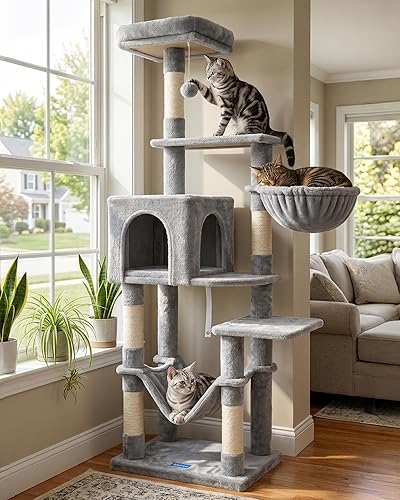
- Offer enrichment like hiding spots, perches, and short play sessions to help reduce anxiety.
- Keep a simple log of purring episodes, eating, drinking, and litter habits to share with your vet.
- Book a vet visit if the purring is new, constant, and paired with any warning sign listed above.
Stress-related behaviors can also show up in other ways. If your cat is vocalizing a lot at night, Why Does My Cat Yowl at Night? Causes and Fixes That Work covers common triggers. Changes in sleep, like twitching or restlessness, are discussed in Why Does My Cat Twitch in Her Sleep? Causes and What to Do.
FAQ
Is it normal for my cat to purr all day?
It can be, if your cat is otherwise healthy, eating well, using the litter box normally, and acting like itself. If the purring is new or paired with hiding, weight loss, or breathing changes, see your vet.
Can a cat purr when it is in pain?
Yes. Cats sometimes purr to comfort themselves during illness or injury, so purring does not always mean a cat is happy. Watch for other signs of discomfort and get professional advice if you are worried.
Should I stop my cat from purring?
No. Purring is not a behavior to discourage. Focus instead on whether your cat is healthy, comfortable, and not under stress. A veterinarian can help you rule out medical causes.
Related reading
- Why Does My Cat Vomit After Eating? 6 Common Causes and When to Worry
- Why Does My Cat Throwing Up? Common Causes and What to Do
- Why Does My Cat Sound Congested? Causes and What to Do
- Why Does My Cat Smell So Bad? 6 Causes and Fixes
Ready to choose one?
About Colin Foster
Colin Foster is part of our editorial team and reviews and edits our cats guides, checking product details against manufacturer specifications and owner feedback.