
 By Colin Foster
Updated November 2026
Choosing the most recommended cat food can feel overwhelming when every bag promises better health. This guide compares six widely sold options based on the criteria that matter most: a complete and balanced label, a clear life-stage match, the texture and format your cat will actually eat, and fit for common needs like hairballs, weight control, and sensitive stomachs. Each pick is researched from product listings, brand reputation, and owner feedback patterns.
Our top picks at a glance
- 1
 TOP CHOICEBest overallHill's Science Diet Adult 1-6 Dry Cat FoodView on Amazon
- 2
 TOP CHOICEBest for hairball controlPurina ONE Natural Indoor Dry Cat Food, +Plus Indoor AdvantageView on Amazon
- 3
 TOP CHOICEBest for indoor cats on a budgetPurina Cat Chow Naturals High Protein Dry Cat Food, 13 lb BagsView on Amazon
- 4
 Best for weight managementPurina Cat Chow Naturals Hairball, Indoor Dry Cat Food, 13 lb BagView on Amazon
- 5
 Best for wet food varietyFriskies Purina Tasty Treasures Cat Food, Prime Filets VarietyView on Amazon
- 6
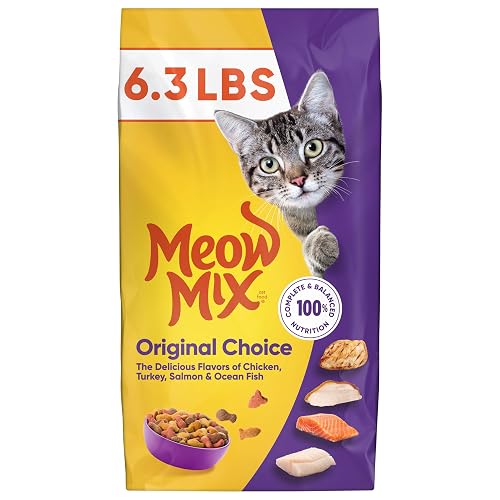 Best for picky eatersMeow Mix Original Choice Dry Cat Food, 6.3 Pound BagView on Amazon
Our Top Picks
Quick Comparison
| Product | Best for | Key feature |
|---|---|---|
| Hill’s Science Diet Adult 1-6 Dry Cat Food | Overall adult maintenance | Vet-recommended chicken recipe |
| Purina ONE Natural Indoor Dry Cat Food, +Plus Indoor Advantage | Hairball control | Fiber blend, 10% less fat |
| Purina Cat Chow Naturals High Protein Dry Cat Food | Indoor cats on a budget | Real chicken and salmon |
| Purina Cat Chow Naturals Hairball, Indoor Dry Cat Food | Weight management | Natural fiber blend |
| Friskies Purina Tasty Treasures Cat Food, Prime Filets Variety | Wet food variety | Twelve-can variety pack |
| Meow Mix Original Choice Dry Cat Food | Picky eaters | Familiar, mild flavor |
Hill’s Science Diet Adult 1-6 Dry Cat Food
#1 Veterinarian Recommended, Chicken Recipe, 4 lb. Bag Hill's Science Diet Adult 1-6 Dry Cat Food
Best for: Overall adult maintenance
This suits owners who want a formula backed by veterinary recommendation for a healthy adult cat between one and six years old.
Pros
- Labeled as veterinarian recommended, with a consistent chicken recipe
- Well-known brand with broad availability
Cons
- Not designed for specialized medical needs
Purina ONE Natural Indoor Dry Cat Food, +Plus Indoor Advantage
Made with real turkey and 10% less fat, plus antioxidants and fiber to help minimize hairballs and aid in weight control Purina ONE Natural Indoor Dry Cat Food, +Plus Indoor Advantage
Best for: Hairball control
Owners of indoor cats who groom heavily and produce frequent hairballs often look at this formula first.
Pros
- Made with real turkey and fiber to help minimize hairballs
- Manufacturer specifies 10% less fat than the standard formula
Cons
- Kibble texture may not suit every cat
Purina Cat Chow Naturals High Protein Dry Cat Food, 13 lb Bags
Purina Cat ChowIndoor cat food with real chicken and salmon plus whole grains, natural nutrition with added vitamins, minerals and nutrients Naturals High Protein Dry Cat Food, 13 lb Bags
Best for: Indoor cats on a budget
A practical choice for multi-cat households or owners who buy in larger bags to keep costs steady.
Pros
- Real chicken and salmon listed as main protein sources
- Large bag size reduces how often you restock
Cons
- Bag size requires careful storage to stay fresh
Purina Cat Chow Naturals Hairball, Indoor Dry Cat Food, 13 lb Bag
Healthy weight cat food with real turkey and chicken, a natural fiber blend helps control hairballs, for indoor cats Purina Cat Chow Naturals Hairball, Indoor Dry Cat Food, 13 lb Bag
Best for: Weight management
Suited to less active indoor cats who gain weight easily and need a formula built around a healthy weight.
Pros
- Labeled for healthy weight with real turkey and chicken
- Natural fiber blend aimed at hairball control
Cons
- Portion control still matters; overfeeding can undo the benefit
Friskies Purina Tasty Treasures Cat Food, Prime Filets Variety
Chicken and tuna, chicken, ocean fish and turkey wet cat food in gravy or sauce, 100% complete & balanced for adult cats Friskies Purina Tasty Treasures Cat Food, Prime Filets Variety, (12) 5.5 oz
Best for: Wet food variety
Good for owners who want to rotate flavors or add moisture to a dry-food diet.
Pros
- Twelve cans of chicken, tuna, ocean fish, and turkey options
- Labeled 100% complete and balanced for adult cats
Cons
- Opened cans must be refrigerated and used within a short window
Meow Mix Original Choice Dry Cat Food, 6.3 Pound Bag
Meow Mix Original Choice Dry Cat Food, 6.3 Pound Bag
Best for: Picky eaters
A familiar, mild-flavored kibble that many owners use when a cat is resistant to switching foods.
Pros
- Long-running original flavor that many cats accept readily
- Smaller bag is easy to try before committing
Cons
- Less specialized than formulas built for specific health needs
Buying Guide
Check for a Complete and Balanced Label
Look for a statement that the food is complete and balanced for your cat’s life stage, such as adult maintenance or all life stages. This tells you the formula was designed to meet core nutritional needs without the need for supplements or added toppers.
Cats are obligate carnivores, so animal-based protein should appear near the top of the ingredient list. Named sources like chicken, turkey, or salmon are a good sign that protein is a meaningful part of the recipe.
Match the Food to Your Cat’s Life Stage
Kittens, adult cats, and senior cats have different calorie and nutrient needs. An adult formula is usually right for cats between about one and six years old, while older cats may benefit from a formula made for mature or senior cats.
If your cat is an indoor-only pet, a formula designed for indoor cats may help with lower activity levels and weight management. Always check the package for the life-stage statement before you buy.
Consider Texture and Format Your Cat Will Eat
Dry kibble is convenient, cost-effective, and easy to store, but some cats prefer wet food for extra moisture. Wet varieties in gravy or sauce can be a good choice for cats that need more hydration or enjoy a softer texture.
Many households feed a combination of dry and wet food. If you switch formats or brands, introduce the new food gradually over about a week to avoid digestive upset and to see whether your cat accepts it.
Think About Specific Needs Like Hairballs and Weight
If your cat frequently coughs up hairballs, look for a formula that includes a natural fiber blend, since fiber can help move hair through the digestive tract. For cats that gain weight easily, a lower-fat or weight-control formula may help support a healthy body condition.
Cats with sensitive stomachs or food allergies may need a limited-ingredient or specialized diet. In those cases, talk with your veterinarian before making a change, because the right choice depends on your cat’s individual health history.
Watch Portion Size and Your Cat’s Body Condition
Feeding guidelines on the bag are a starting point, but every cat is different. Adjust portions based on your cat’s age, activity level, and body shape, and check in with your vet at regular visits.
A few extra calories each day can add up over time, so measuring meals rather than free-feeding can help keep your cat at a healthy weight.
FAQ
Is the most recommended cat food the right choice for every cat?
Not necessarily. A popular food may suit many cats, but your cat’s age, weight, health conditions, and taste preferences matter just as much. Use popularity as a starting point and confirm the fit with your veterinarian.
How do I switch my cat to a new food?
Mix a small amount of the new food into the old food and gradually increase the proportion over about seven to ten days. Watch for changes in appetite, stool quality, and energy level during the transition.
Should I choose dry food or wet food?
Both can be healthy when they are complete and balanced. Wet food adds moisture that some cats need, while dry food is convenient and can be left out for grazing, so many owners combine the two.
Do indoor cats need a different formula?
Indoor cats often move less than outdoor cats, so a formula designed for indoor living may help manage weight and hairballs. It is still important to make sure the food meets your cat’s overall nutritional needs.
How can I tell if a food is not working for my cat?
Signs that a food may not agree with your cat include vomiting, diarrhea, constipation, itchy skin, or sudden weight gain or loss. If you notice these symptoms, stop the new food and contact your veterinarian.
Can I feed my cat only treats or toppers instead of a complete diet?
No. Treats and toppers should be a small part of your cat’s daily calories, and they cannot replace a complete and balanced food. Relying on them can lead to nutrient gaps and weight problems.
Conclusion
If you want a well-rounded everyday option, the Hill’s Science Diet Adult 1-6 Dry Cat Food is a strong starting point for adult cats across many households. Owners who are dealing with hairballs or an indoor lifestyle may find the Purina ONE Natural Indoor Dry Cat Food a better match for their needs.
For budget-minded shoppers, Purina Cat Chow and Meow Mix offer dependable dry options, while Friskies wet varieties suit cats that prefer moisture and variety. Consider your cat’s age, health, and texture preferences, and confirm your final choice with your veterinarian.
Related reading
- Most Recommended Dry Cat Food: 7 Best Picks Compared for 2026
- Most Recommended Cat Food by Veterinarians: 4 Best Picks Compared
- Top 5 Cat Food with Most Protein for Active Cats
- Recommended Cat Food Brands: How to Choose a Good One (2026)
- 5 Best Cat Food Recommended by Vets: Our Picks (2026)
About Colin Foster
Colin Foster is part of our editorial team and reviews and edits our cats guides, checking product details against manufacturer specifications and owner feedback.


