By Colin Foster
Updated November 2026
Choosing the best dry cat food for indoor cats means looking past flashy packaging. Indoor cats move less, so they often need fewer calories, good protein for lean muscle, and fiber to support digestion and hairball control. The picks below were selected from product listings, manufacturer specifications, brand reputation and common owner feedback, with a focus on real meat as the first ingredient, indoor-specific formulas, and weight or hairball support.
Our top picks at a glance
- 1
 TOP CHOICEBest overallIAMS Proactive Health Indoor Dry Cat Food, Chicken & Turkey, 7 lbView on Amazon
- 2
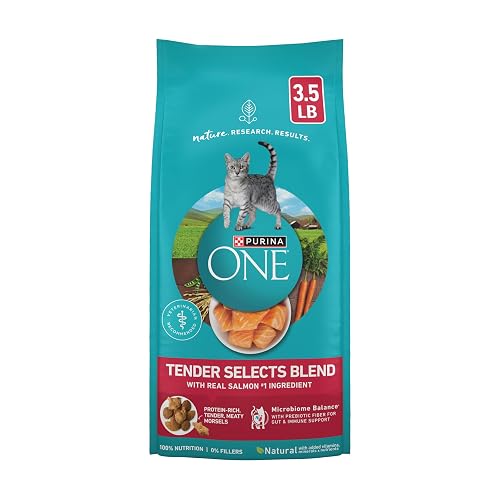
 TOP CHOICEBest for weight controlPurina ONE Natural Indoor Dry Cat Food, +Plus Indoor AdvantageView on Amazon
- 3
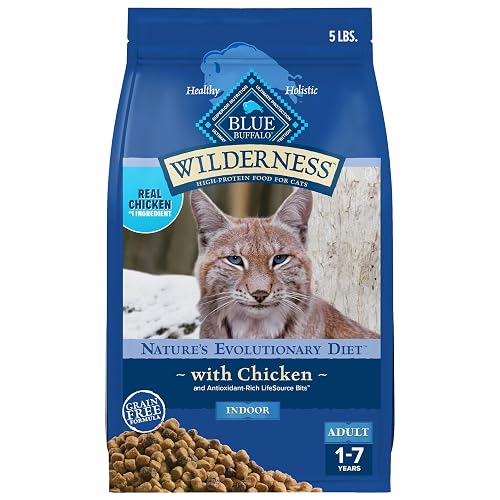 TOP CHOICEBest grain-free optionBlue Buffalo Wilderness Chicken Adult Indoor Dry Cat Food, Grain-Free, 5 lbView on Amazon
- 4
 Best for hairballs and weightPurina Cat Chow Indoor Hairball + Healthy Weight Dry Cat FoodView on Amazon
- 5
 Best budget pickBlue Buffalo Tastefuls Chicken Adult Indoor Dry Cat Food, 3 lbView on Amazon
Our Top Picks
Quick Comparison
| Product | Best for | Key feature |
|---|---|---|
| IAMS Proactive Health Indoor Dry Cat Food | Overall balance | Real chicken, prebiotic fiber |
| Purina ONE Natural Indoor Advantage | Weight control | 10% less fat |
| Blue Buffalo Wilderness Chicken Indoor | Grain-free needs | High protein, LifeSource Bits |
| Purina Cat Chow Indoor Hairball + Healthy Weight | Hairball control | Fiber for hairball support |
| Blue Buffalo Tastefuls Chicken Indoor | Budget-conscious owners | Grain-inclusive, no corn or soy |
IAMS Proactive Health Indoor Dry Cat Food, Chicken & Turkey, 7 lb
Vet-recommended, Real Chicken #1 Ingredient, Proprietary Fiber Blend, Prebiotics for Healthy Digestion, Hairball Control IAMS Proactive Health Indoor Dry Cat Food, Chicken & Turkey, 7 lb
Best for: Overall balance for everyday indoor feeding.
A solid all-purpose choice for owners who want a recognizable brand with real meat as the first ingredient and a fiber blend aimed at digestion.
Pros
- Real chicken is the first ingredient.
- Prebiotic fiber blend supports digestive health.
Cons
- Some owners find the kibble size large for small cats.
Purina ONE Natural Indoor Dry Cat Food, +Plus Indoor Advantage
Made with real turkey and 10% less fat, plus antioxidants and fiber to help minimize hairballs and aid in weight control Purina ONE Natural Indoor Dry Cat Food, +Plus Indoor Advantage
Best for: Weight control in indoor cats.
Suited to owners whose cats are gaining weight on low activity and who want a formula with reduced fat and added fiber.
Pros
- Manufacturer states 10% less fat than standard formulas.
- Fiber and antioxidants aimed at hairball reduction.
Cons
- Lower fat may not suit cats that need extra calories.
Blue Buffalo Wilderness Chicken Adult Indoor Dry Cat Food, Grain-Free, 5 lb
High Protein, Real Chicken #1 Ingredient, Supports Immunity with Antioxidant-Rich LifeSource Bits, Promotes Healthy Digestion Blue Buffalo Wilderness Chicken Adult Indoor Dry Cat Food, Grain-Free, 5 l
Best for: Grain-free feeding for indoor cats.
Fits owners who prefer a high-protein, grain-free diet and want antioxidant support from added LifeSource Bits.
Pros
- High protein with real chicken as the first ingredient.
- Grain-free recipe suits cats sensitive to grains.
Cons
- Higher protein may not suit cats with certain kidney conditions.
Purina Cat Chow Indoor Hairball + Healthy Weight Dry Cat Food
Purina Cat ChowIndoor cat food with farm-raised chicken, supports healthy weight and hairball control Indoor Hairball + Healthy Weight Dry Cat Food, (4) 3.15 lb
Best for: Hairball control and healthy weight together.
A practical option for owners dealing with frequent hairballs in a cat that also needs portion-friendly calories.
Pros
- Formulated specifically for indoor cats.
- Added fiber targets hairball management.
Cons
- Some owners report the kibble is firm for older cats.
Blue Buffalo Tastefuls Chicken Adult Indoor Dry Cat Food, 3 lb
Chicken & Brown Rice Recipe, Antioxidant-Rich LifeSource Bits, No Corn, Wheat, or Soy Blue Buffalo Tastefuls Chicken Adult Indoor Dry Cat Food, 3 lb
Best for: Budget-conscious owners who still want real meat.
Suits owners looking for a smaller bag and a grain-inclusive recipe without corn, wheat or soy.
Pros
- Chicken and brown rice recipe, no corn, wheat or soy.
- Smaller bag size lets you try it before committing.
Cons
- Lower protein than the grain-free option.
Buying Guide
Protein Source and Ingredient Order
Look for a named meat such as chicken or turkey as the first ingredient. Named meats generally indicate a higher-quality protein base than generic “meat by-products.”
Calories and Weight Management
Indoor cats burn fewer calories, so check the kcal per cup on the label and adjust portions. Your veterinarian can help set a target weight and daily calorie goal.
Fiber and Hairball Support
Added fiber helps move hair through the digestive tract. Formulas marketed for hairball control are a useful starting point if your cat coughs up hairballs more than occasionally.
Life Stage and Special Needs
Kittens, adults and seniors have different nutrient needs, and cats with kidney or urinary issues may need a therapeutic diet. Always check the life-stage label and confirm with a veterinarian before a major switch.
Good picks for this: Purina Cat Chow Indoor Hairball + Healthy Weight and Purina ONE Natural Indoor Dry Cat Food
FAQ
Is dry cat food good enough for indoor cats?
Yes, quality dry cat food can meet the nutritional needs of an indoor cat when it is formulated for complete and balanced adult nutrition. Look for a labeled statement that the food meets standards for adult maintenance. Many indoor-focused formulas also add fiber and controlled calories to suit a less active lifestyle.
How do I know if my indoor cat is gaining too much weight?
You can check by looking at your cat from above and from the side, where you should see a visible waist behind the ribs. You should also be able to feel the ribs with light pressure without seeing them clearly. If your cat is gaining weight, ask your veterinarian for a feeding amount tailored to your cat’s body condition and activity level.
Should I choose grain-free dry food for my indoor cat?
Grain-free food is not required for most healthy cats, and it is not automatically better. The most important factors are a complete and balanced formula, real meat as a main ingredient, and a calorie count that fits your cat. If your cat has a specific food sensitivity, discuss the right choice with your veterinarian.
Can dry food help reduce hairballs?
Some indoor formulas include added fiber to help move hair through the digestive tract, which may reduce hairball frequency. Regular brushing also helps by removing loose fur before your cat swallows it during grooming. If hairballs are frequent or your cat is vomiting often, check in with your veterinarian.
How should I switch my cat to a new dry food?
Transition gradually over about seven to ten days by mixing a small amount of the new food into the old food and slowly increasing the proportion. This helps prevent stomach upset and makes it easier for your cat to accept the change. Watch your cat’s appetite and stool during the switch.
When should I talk to a vet about my cat’s food?
Talk to your veterinarian if your cat has ongoing digestive problems, rapid weight changes, skin or coat issues, or a diagnosed condition such as kidney disease or diabetes. A vet can recommend a specific diet or portion size that fits your cat’s health needs. Professional guidance is especially important for kittens, senior cats, and cats with medical concerns.
Conclusion
For most indoor cats at a healthy weight, the best choice is a formula with real meat as the first ingredient, added fiber for hairball support, and a calorie level suited to low activity. Owners who want a broad, budget-friendly option that addresses weight and digestion may find the Purina options a practical fit, while those who prefer a grain-free recipe may lean toward the Blue Buffalo choices.
If your cat has special health needs, is gaining weight, or has ongoing digestive trouble, start with a conversation with your veterinarian before settling on a food. Whichever product you choose, monitor your cat’s body condition, energy, and stool over the first few weeks and adjust portions as needed.
Related reading
- 4 Best Cat Diet Dry Food for Weight Control and Indoor Cats (2026)
- Top 5 Freeze Dry Cat Food Options Compared for Every Need
- Purina Cat Chow Indoor Cat Food: 5 Best Options Compared in 2026
About Colin Foster
Colin Foster is part of our editorial team and reviews and edits our cats guides, checking product details against manufacturer specifications and owner feedback.