 By Colin Foster
Updated November 2026
If you keep asking yourself why does my cat meow constantly, you are not alone. Cats meow to communicate, and a steady stream of meows usually means your cat wants something, feels stressed, or is not feeling well. In this guide, you will learn how to narrow down the likely cause, test a few simple fixes, and know when constant meowing needs a vet visit.
Step 1: Rule Out Health Problems First
Medical causes are the first thing to check, especially if the meowing is new or has changed in tone. Cats in pain, with high blood pressure, hyperthyroidism, kidney disease, or cognitive decline often vocalize more, and older cats may yowl at night because they are disoriented. Watch for weight loss, increased thirst, changes in litter box habits, or hiding. Any of these means a vet should see your cat soon.
Shopping for one? See our guide: Why Does My Cat Lay in Litter Box? 3 Best Mats to Help (2026).
Step 2: Identify the Most Likely Reason for the Meowing
Once health is addressed, look at what your cat seems to want when the meowing starts. Most constant meowing falls into a few categories: We also found Why Does My Cat Eat Litter? Causes and Fixes That Work useful on this point.
- Hunger or a feeding routine. Cats often learn that meowing near the food bowl or kitchen gets results. If the meowing peaks before meals, the schedule may be the trigger.
- Attention-seeking. Cats that are left alone for long stretches may meow to get interaction, especially if you respond every time.
- Boredom or under-stimulation. Indoor cats without enough play, climbing spaces, or hunting-style toys often vocalize to fill the time.
- Stress or changes at home. A new pet, a move, new furniture, or a visitor can make a cat anxious and vocal.
- Heat or mating behavior. Unspayed females in heat can yowl almost nonstop, and unneutered males may call out as well.
- Senior cat cognitive changes. Older cats sometimes meow loudly, often at night, without an obvious reason.
Step 3: Test Simple Fixes for One to Two Weeks
Change one thing at a time so you can tell what works. Keep a short log of when the meowing happens, how long it lasts, and what you did in response. Helpful adjustments include:
- Feed on a consistent schedule, and consider a timed feeder if your cat wakes you early.
- Schedule two or three 10 to 15 minute play sessions with a wand toy each day, ending with a small meal to mimic a hunt.
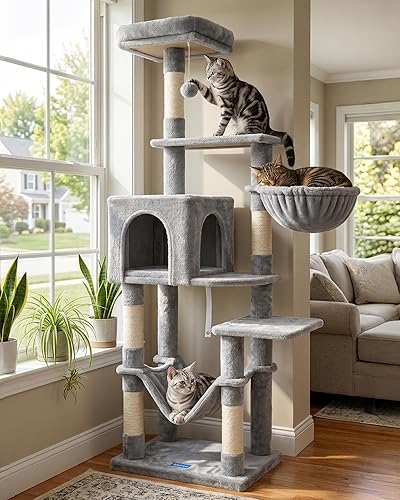
- Add vertical space, such as a cat tree or window perch, so your cat can watch the outdoors.
- Ignore demand meowing when you are certain your cat is fed, watered, and safe. Reward quiet moments with attention or a treat.
- Use puzzle feeders or food-dispensing toys to slow eating and add mental work.
Step 4: Address Stress and Environment
If the meowing started after a change, make the environment feel predictable again. Provide hiding spots, keep litter boxes, water, and food in consistent places, and use pheromone diffusers or calming routines if your vet agrees. Give a new pet or person time to adjust rather than forcing contact.
When Fixes Are Not Working
If two weeks of consistent changes make no difference, or the meowing is painful-sounding, continuous, or paired with other symptoms, schedule a vet appointment. Bring your log. Your vet can run bloodwork, check blood pressure, and discuss behavior options. Consult a veterinary professional before starting any calming supplement or medication.
Common Mistakes
- Giving in to every meow, which teaches your cat that meowing works.
- Punishing or yelling, which often increases anxiety and vocalizing.
- Assuming the behavior is just personality without checking for pain or illness.
- Changing too many things at once, so you cannot tell what helped.
- Overlooking an unspayed or unneutered cat, where hormones can drive constant calling.
Recommended Gear
- PetSafe Smart Feed 2.0: a programmable feeder that can keep meals on time so your cat is not meowing for breakfast at 5 a.m. View on Amazon
- Cat wand toy with feather or bird attachment: useful for short, interactive play sessions that tire cats out and reduce demand meowing. View on Amazon
- Puzzle feeder for cats: slows eating and adds mental stimulation during long days alone. View on Amazon
For related patterns, see Why Does My Cat Meow So Much? Causes and Fixes and Why Does My Cat Meow in the Night? Causes and Fixes That Work. If the sound is more of a yowl, Why Does My Cat Yowl? Causes, Fixes and When to Call the Vet covers that in more detail.
FAQ
Is it normal for a cat to meow all day?
Some cats are naturally more talkative, but a sudden increase or a constant, distressed sound is not normal. A change in vocalization is a reason to check with your vet.
Should I respond when my cat meows?
Respond when your cat needs something, such as food, water, or a safety check. Ignore demand meowing when basic needs are met, and reward quiet behavior.
Can older cats meow constantly for no reason?
Yes. Senior cats may meow more due to pain, hearing or vision loss, or cognitive decline. A vet exam is the best first step.
Conclusion
Constant meowing usually has a clear cause once you rule out health problems and look at feeding, play, stress, and reproductive status. Make one change at a time, keep a simple log, and stay consistent for at least two weeks. If nothing improves or your cat seems unwell, a veterinary exam will give you the answers you need.
Ready to choose one?
About Colin Foster
Colin Foster is part of our editorial team and reviews and edits our cats guides, checking product details against manufacturer specifications and owner feedback.