By Colin Foster
Updated November 2026
Better cat food brands are the ones that meet your cat’s specific needs with complete nutrition, clear labeling and a track record you can verify. This guide walks you through how to judge a brand yourself, so you can compare options on evidence rather than packaging. You will finish with a short shortlist process and a few checks you can run in the store or online.
Step 1: Confirm the Food Is Complete and Balanced
Look for an AAFCO statement on the bag or can. It should say the food is “complete and balanced” for a specific life stage, such as adult maintenance, growth, or all life stages. Foods labeled “for intermittent or supplemental feeding only” are not meant to be a cat’s main diet, no matter how good the ingredient list looks. We also found Recommended Cat Food Brands: How to Choose a Good One (2026) useful on this point.
Shopping for one? See our guide: 6 Best Sheba Brand Cat Food Options Compared (2026).
Step 2: Check the Ingredient Order and Named Protein
Ingredients are listed by weight before cooking. A named animal protein such as chicken, salmon or turkey should appear first, ideally followed by a second named protein or a meal. Vague terms like “meat by-products” or “animal fat” tell you less about quality. Cats are obligate carnivores, so a meat-based protein source should be the foundation of the diet.
Step 3: Match the Formula to Your Cat’s Life Stage and Health
A kitten needs more protein and calories than an adult, and a senior cat often needs fewer calories with careful attention to kidney and dental health. Brands that offer targeted formulas for weight, urinary health or sensitive stomachs can be a good fit, but those are therapeutic diets that should be started under veterinary guidance. If your cat has a diagnosed condition, ask your vet which formulas make sense, and see Veterinary Cat Food Recommendations: How to Choose the Right Diet (2026) for how that conversation usually goes.
Step 4: Compare Wet and Dry Options by Their Real Content
Wet food is roughly 75 to 80 percent water, which helps cats who drink little and supports urinary health. Dry food is more calorie-dense and convenient, but it needs fresh water nearby. Many owners combine both. The table below summarizes the trade-offs.
| Factor | Wet food | Dry food |
|---|---|---|
| Moisture | High (about 75 to 80 percent) | Low (about 10 percent) |
| Calorie density | Lower per gram | Higher per gram |
| Storage after opening | Refrigerate, use within a few days | Sealed container, keep dry |
| Best for | Hydration, picky eaters | Convenience, free feeding with limits |
For a deeper comparison, read Wet vs. Dry Cat Food: Pros, Cons, and Differences.
Step 5: Verify the Brand’s Quality and Safety Record
Look for brands that publish how they test finished food, that employ or consult a board-certified veterinary nutritionist, and that disclose where ingredients are sourced. Check the FDA recall database and the brand’s own recall notices before you commit. Recall history alone is not disqualifying, since good companies often handle recalls transparently, but a pattern of repeated problems is worth noting. Brands like Open Farms publish detailed ingredient sourcing, and you can read about one example in Open Farms Cat Food: Ingredients, Recalls, and How to Decide (2026).
Step 6: Run a Gradual Trial and Watch Your Cat
Switch foods over 7 to 10 days, mixing a little more of the new food into the old at each stage. Watch stool quality, coat condition, energy and weight over four weeks. Weigh your cat on the same scale every two weeks. Consistent vomiting, diarrhea or refusal to eat means stop and call your vet.
Quick Checklist
- AAFCO “complete and balanced” statement for your cat’s life stage
- Named animal protein as the first ingredient
- Formula matched to age, weight and any diagnosed condition
- No recent pattern of recalls from the brand
- Gradual transition over 7 to 10 days
- Weight and stool checked over the first month
Common Mistakes to Avoid
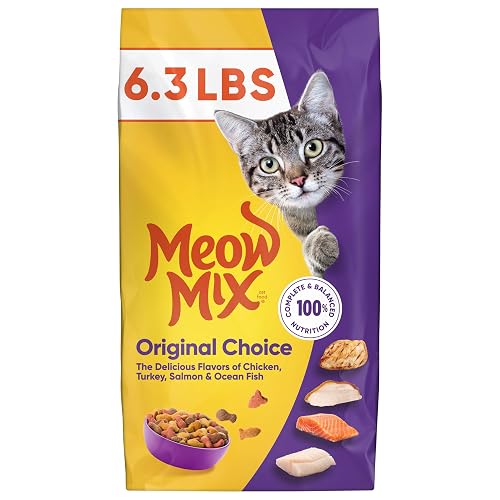
- Choosing by the picture on the bag rather than the nutrition label.
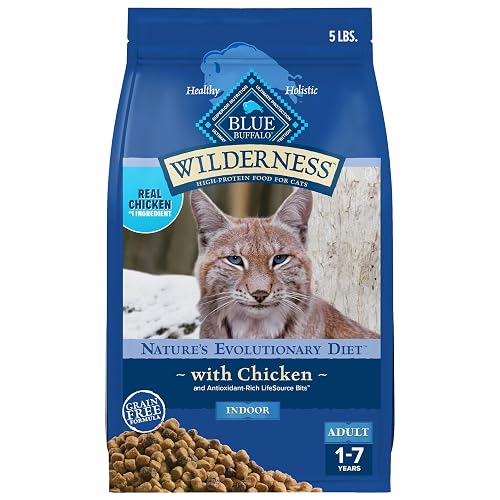
- Assuming “grain-free” or “natural” means healthier. Both are marketing terms without a fixed standard.
- Switching foods abruptly, which often causes vomiting or diarrhea.
- Feeding a treat or supplemental food as the main diet.
- Ignoring a change in appetite, litter box habits or weight after a switch.
Recommended Gear
A sturdy airtight food container helps keep dry kibble fresh once opened, and you can see how storage affects quality in How to Store Dry Cat Food to Keep It Fresh and Safe. A digital kitchen scale makes portion control far more accurate than scoop measurements. Use View on Amazon for kibble storage and View on Amazon for measuring portions.
FAQ
Is a more expensive cat food always a better brand?
No. Price does not reliably indicate nutritional quality. Check the AAFCO statement, protein sources and recall history instead.
How do I know if a brand suits my cat’s sensitive stomach?
Look for a simple protein source and a limited ingredient list, then run a gradual trial. Ongoing vomiting or diarrhea needs a veterinary check, not a food switch alone.
Should I switch brands if my cat is doing well on their current food?
Not necessarily. If your cat is healthy, at a good weight and eating well, there is no need to change for the sake of it.
Conclusion
Better cat food brands share clear traits: a complete and balanced label, a named animal protein, and a formula that fits your cat’s age and health. Use the six steps above to shortlist options, then test one slowly and track your cat’s response. When in doubt about a health condition, talk with your veterinarian before changing diets.
Ready to choose one?
About Colin Foster
Colin Foster is part of our editorial team and reviews and edits our cats guides, checking product details against manufacturer specifications and owner feedback.