 By Emily Parker
Updated November 2026
If you have noticed your cat nibbling, licking or chewing on clumps of litter, you are not alone, and it is worth paying attention. Why does my cat eat litter is one of the most common questions cat owners ask, and the answer usually comes down to a few likely causes: a medical issue, a nutritional gap, a behavioral habit called pica, or simple curiosity about the texture and smell. In this guide you will learn how to figure out which factor applies to your cat and what to change first.
Start With a Vet Visit to Rule Out Medical Causes
Litter eating is a common sign of pica, an urge to eat non-food items. Pica can be driven by health problems, so a vet check comes before anything else. Conditions that have been linked to this behavior include iron-deficiency anemia, gastrointestinal disease, and intestinal parasites. Your vet can run a blood panel and, if needed, a fecal test. Ask specifically about pica so the bloodwork and exam address it.
Shopping for one? See our guide: 5 Best Cat Litter Box Crystals of 2026: Picks Compared.
Bring a sample of the litter your cat eats and note how often it happens, how much she eats and whether she is also vomiting, losing weight or drinking more water. This information helps your vet narrow things down quickly.
Look at Diet and Behavior Factors
Once medical causes are addressed, consider what is driving the habit. Cats sometimes eat litter because they are bored, stressed or under-stimulated. Others are drawn to the texture of clay or the scent of certain litters. Kittens are especially prone to exploring with their mouths.
Check whether your cat’s diet is complete and balanced for her life stage. Some cats that eat a low-fiber or limited diet seek out fiber in unusual places. If you change food, do it gradually over seven to ten days by mixing increasing amounts of the new food into the old.
Common triggers to watch for
- Boredom, especially when cats are alone for long hours
- Stress from new pets, moving or a changed routine
- Attraction to clumping clay or scented litter
- Kittens exploring with their mouths during teething
- Possible nutritional gaps or digestive upset
Make Litter Less Tempting
Changing the litter environment often reduces litter eating. Try these steps one at a time so you can see what helps:
- Switch to unscented, non-clumping litter. Some owners find cats lose interest in the texture.
- Consider a litter made from paper, wood or grass pellets, which many cats find less appealing to eat. Introduce it gradually by mixing it with the old litter.
- Use a deeper or larger box so your cat is less likely to scoop litter into her mouth while digging.
- Keep the box clean. Scooping at least once a day and changing it fully on a regular schedule helps prevent boredom with a dirty box.
- Offer a safe alternative. Cat grass or a small amount of plain cooked meat can satisfy the urge to chew.
Add Enrichment to Reduce Boredom
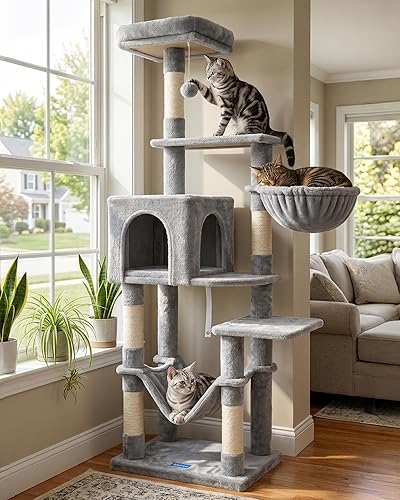
Interactive play can redirect the urge to chew. Schedule two or three short play sessions daily using a wand toy, and rotate toys so they stay interesting. Puzzle feeders also keep your cat busy and mentally engaged. Many cats do better when they have vertical space and a window to watch birds, which provides stimulation without any litter at all.
Recommended gear
- Interactive wand toy: a simple way to burn energy and redirect chewing into play. View on Amazon
- Puzzle feeder: slows eating and keeps cats occupied when you are away. View on Amazon
- Cat grass kit: gives your cat a safe plant to chew on instead of litter. View on Amazon
Common Mistakes
- Skipping the vet visit and assuming the habit is only behavioral.
- Switching litter abruptly, which can make your cat avoid the box.
- Punishing your cat, which adds stress and can worsen pica.
- Leaving a dirty box out, which can push some cats to eat litter out of boredom or frustration.
- Ignoring symptoms such as weight loss, vomiting or constipation.
For related concerns, you may find Why Does My Cat Eat Plastic? Causes, Risks and Fixes helpful, since pica can involve other non-food items too. If your cat is also changing how she uses the box, Why Cats Stop Using the Litter Box and How to Respond covers that separately.
FAQ
Is it dangerous if my cat eats a little litter?
A small amount of clay litter occasionally is usually not an emergency, but repeated ingestion can cause blockages or digestive upset. Watch for vomiting, constipation or lethargy and call your vet if these appear.
Can a cat eat litter because she is hungry?
Sometimes. Cats with an unbalanced diet or digestive issues may seek out litter, so review your cat’s food with your vet and confirm it meets her life-stage needs.
Will switching litter stop the behavior?
It often helps, especially if your cat is drawn to clumping clay or scented litter. However, if the habit continues, a medical check is still important because pica can have underlying causes.
Conclusion
When your cat eats litter, begin with a vet visit to rule out anemia, parasites or digestive disease. Then address boredom, diet and litter type, one change at a time. With patience and a clear plan, most cats improve and the habit fades.
Related reading
- Why Does My Cat Eat So Much? Causes and What to Do
- Why Does My Cat Eat My Hair? Causes, Fixes and When to Worry
Ready to choose one?
About Emily Parker
Emily Parker is part of our editorial team and reviews and edits our cats guides, checking product details against manufacturer specifications and owner feedback.