 By Emily Parker
Updated November 2026
Cat litter silica gel, usually sold as crystal litter, is a non-clumping litter made from porous silica beads that absorb liquid and trap odor inside the crystal. This guide explains how it works, how to switch to it without upsetting your cat, how to scoop and refresh it, and where it falls short. By the end, you should know whether it fits your household and how to set up a litter box that your cat will actually use.
What Cat Litter Silica Gel Actually Is
Silica gel is a form of silicon dioxide with a highly porous structure. In cat litter, manufacturers shape it into small beads or granules that pull moisture into their internal pores. Urine is absorbed and held, and the crystals change color or show a visible indicator as they fill, depending on the brand. Because the beads do not form clumps, the liquid stays contained in each crystal rather than spreading through the box.
Shopping for one? See our guide: 5 Best Cat Litter Box Crystals of 2026: Picks Compared.
The main claim owners care about is odor control. Since the crystals lock urine away instead of letting it soak into a clay or paper base, the box often smells less between changes. Dust is also typically low, since the beads are not powdery like some clay litters.
How it differs from other litter types
Clay clumping litter forms solid balls when wet, which makes scooping easy but can leave residue on the bottom of the box. Pine, wood, and paper pellets absorb liquid into the fiber and break down over time. Silica crystals sit in a middle ground: they absorb quickly and resist odor, but they do not clump, so you remove solid waste as a whole piece and replace the crystals on a schedule rather than scooping pee out daily. For a deeper comparison, see Clumping vs. Non-Clumping Cat Litter Explained.
Is Cat Litter Silica Gel Right for Your Cat?
Crystal litter works well for many cats, but not all. Before you buy a large bag, check the following factors.
- Paw sensitivity: Some cats find the texture of crystals uncomfortable, especially kittens and older cats with sore paws.
- Litter box history: If your cat has already started avoiding the box, a sudden change in texture can make things worse. Review Why Cats Stop Using the Litter Box and How to Respond first.
- Household factors: Crystals are not a fit for households where a cat might eat litter. Pica is a known concern with any litter, and silica is not meant to be swallowed.
- Multi-cat homes: Crystals hold odor well, but they still need regular solid-waste removal. Plan on one box per cat plus one extra.
- Cleaning habits: If you prefer to scoop once a day and dump everything, crystal litter may feel different. You remove solids daily and replace the full box more often than clay.
How to Switch to Silica Gel Litter Step by Step
Most cats accept a litter change better when it happens gradually. A sudden swap can cause a cat to skip the box entirely, and that is far harder to fix than the odor you were trying to solve.
Step 1: Gather your supplies
- A bag of silica crystal litter (check that it is labeled for cats and is non-toxic when used as directed)
- Your current litter, for the transition period
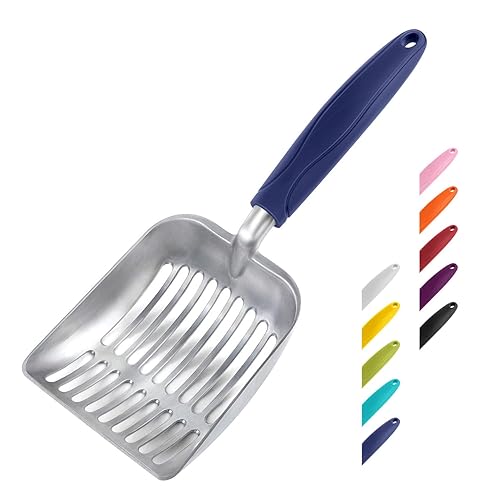
- A scoop with fine slots, since crystals are smaller than clumps
- A shallow, uncovered box or a second box for the transition
- Gloves and a sealed bag for disposal
Step 2: Mix gradually over 7 to 10 days
- Days 1–2: Use about 25 percent crystals and 75 percent old litter.
- Days 3–4: Move to a 50/50 mix.
- Days 5–7: Use 75 percent crystals and 25 percent old litter.
- Day 8 onward: Switch to 100 percent crystals.
Watch your cat during the transition. Signs of discomfort include digging without eliminating, sitting on the edge of the box, or going to a different spot in the house. If you see these, slow down and go back one step.
Step 3: Set the box depth correctly
Crystal litter is often used at a depth of about 1 to 2 inches, which is shallower than many owners use with clay. Too much depth can reduce the effective surface area for urine absorption and can make the box feel unstable under paws. Adjust based on your box size and your cat’s comfort.
Step 4: Establish a scooping and replacement routine
Remove solid waste at least once a day. Stir the top layer gently to expose any wet crystals and remove clumped feces or obvious debris. Full replacement timing depends on how many cats use the box and how the crystals look, which we cover in the next section.
Scooping and Replacement Schedule
Crystal litter does not need a daily full change, but it does need attention. Use this table as a starting point and adjust after a week of observation.
| Situation | Solid waste removal | Full crystal replacement |
|---|---|---|
| One cat, one box | Daily | Every 3 to 4 weeks |
| Two cats, two boxes | Daily | Every 2 to 3 weeks |
| Three or more cats | Twice daily | Every 1 to 2 weeks |
| Strong odor or visible wet crystals | Immediately | Sooner than schedule |
Manufacturers commonly specify replacement intervals on the packaging, so start there and adjust. For more on routines, see How Often to Scoop and Change Cat Litter: A Cleaning Routine.
Refreshing crystals between full changes
Some owners top off used crystals with fresh ones to stretch the bag. This works only if the used crystals do not smell and are not saturated. Mixing in a small amount of fresh crystal every few days can help, but keep an eye on odor. If the box smells ammonia-like, the crystals are spent.
Common Mistakes to Avoid
- Switching all at once. Cats are sensitive to texture. Use the gradual mix described above.
- Waiting too long between changes. Saturated crystals stop controlling odor and can cause your cat to avoid the box.
- Using a scoop with large holes. Small crystals slip through and waste product.
- Letting the box get too deep. Excess depth wastes crystals and can cause litter tracking.
- Ignoring behavior changes. If your cat starts going outside the box after a switch, return to the old litter and consult your veterinarian. Related problems are covered in Cat Peeing Outside Litter Box Behavior: 7 Causes and Fixes.
- Assuming odor control means no cleaning. Crystals hide odor, but they do not replace solid-waste removal or box washing.
Tips for Better Results
- Place the box in a quiet, low-traffic area with easy access and no sudden noises.
- Choose a box with sides low enough for your cat to step in easily, especially for seniors or kittens.
- Wash the box with mild unscented soap and dry it fully before adding fresh crystals.
- Track how your cat responds for two weeks after switching, noting any hesitation.
- If you use a covered box, check ventilation. Trapped odor can make crystals seem less effective.
- For odor beyond the box, consider Natural Ways to Control Cat Litter Box Odor.
Recommended gear
These items are widely used alongside crystal litter and help with the routine described above.
- A fine-slotted litter scoop: Small crystals pass through wide slots, so a scoop with narrow openings reduces waste. View on Amazon
- A shallow, easy-entry litter pan: Low sides suit kittens and older cats and keep crystal depth manageable. View on Amazon
- A litter mat: Crystals can track on paws, and a mat with textured surfaces helps trap them before they reach the floor. View on Amazon
- Disposable waste bags: Sealed bags make removing used crystals and solids cleaner and reduce odor in the trash. View on Amazon
FAQ
Is cat litter silica gel safe for cats?
Silica crystal litter sold for cats is generally considered non-toxic when used as directed, but the crystals are not meant to be eaten. Cats that ingest litter can have digestive upset or blockage. If your cat eats litter regularly, consult your veterinarian for guidance.
Why do my cat’s paws look dusty after switching to crystals?
Some crystals break into small fragments and cling to paws. A litter mat, shallower depth, and regular cleaning of the area around the box usually reduce tracking.
Can I flush silica crystals down the toilet?
Do not flush crystal litter. Check your local waste guidelines and your litter manufacturer’s instructions. Most owners bag used crystals and put them in the trash.
How do I know when to replace the crystals?
Replace them when the box smells strongly even after you remove solids, when you see visibly saturated or discolored crystals throughout the box, or when the manufacturer’s indicator shows full saturation.
Does silica gel litter work for multiple cats?
Yes, but multi-cat homes need more frequent solid-waste removal and may need more frequent full changes. Plan for one box per cat plus one extra.
Why did my cat stop using the box after I switched?
The most likely reason is that the change happened too quickly or the texture bothers your cat. Return to the old litter, transition more slowly, and check for medical causes if the avoidance continues. A veterinary visit is advised for any sudden change in litter box habits.
Is crystal litter better than clumping clay?
Neither is better for every cat. Crystals control odor well and produce little dust, while clay makes daily scooping easier. Your cat’s preferences and your cleaning routine should guide the choice.
Can kittens use silica gel litter?
Kittens can use it, but many owners start with a softer, unscented option and switch later. Kittens are more likely to eat litter, so supervise closely and consult your veterinarian before introducing crystals.
Conclusion
Cat litter silica gel offers strong odor control, low dust, and a longer replacement interval than many clay options, but it works best with a gradual transition, regular solid-waste removal, and attention to your cat’s comfort. Start with the 10-day mix, follow a scooping schedule that fits your household, and watch for any change in box habits. If your cat shows signs of discomfort or avoidance, pause the switch and speak with your veterinarian.
Ready to choose one?
About Emily Parker
Emily Parker is part of our editorial team and reviews and edits our cats guides, checking product details against manufacturer specifications and owner feedback.